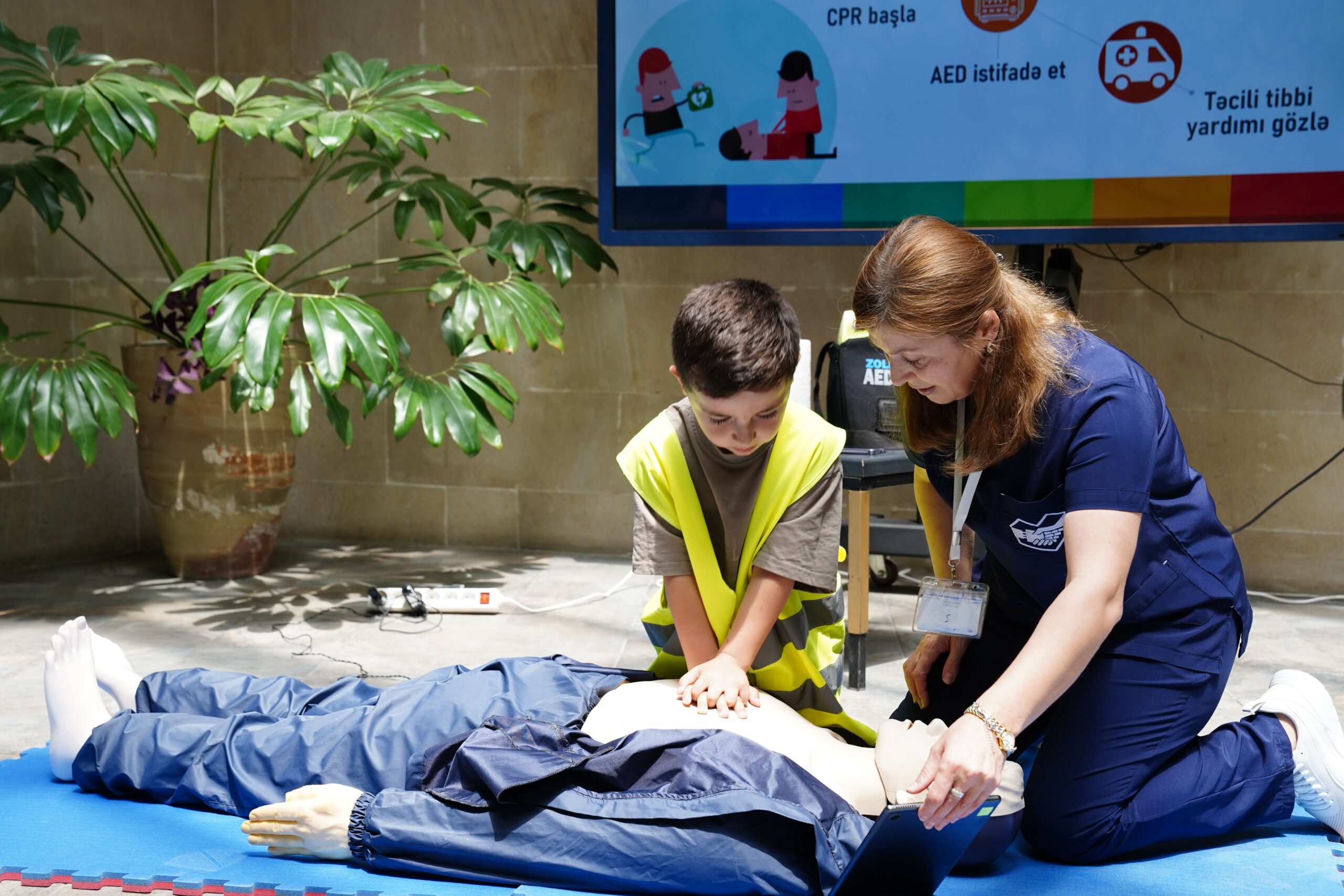

Cardiopulmonary Resuscitation is a critical first aid procedure used during cardiac emergencies. The technique varies significantly based on whether the patient is an infant, child, or adult. Understanding these distinctions, including proper compression rates and ratios, is essential for providing effective emergency care and improving survival outcomes.
Current medical guidelines from organizations define standards for high-quality CPR and the use of automated external defibrillators. Training and certification ensure individuals can correctly perform chest compressions and rescue breaths, navigate emergency algorithms, and utilize medical devices during a crisis.
Table of Contents
1. Cardiopulmonary Resuscitation Meaning
Cardiopulmonary Resuscitation (CPR) Meaning
- CPR is an emergency life-saving procedure performed when someone’s heart stops beating (cardiac arrest) or they stop breathing.
Definition
- Cardiopulmonary Resuscitation is a combination of chest compressions and rescue breaths used to manually keep blood and oxygen circulating through the body until normal heart function returns or professional medical help arrives.
Why is it called Cardiopulmonary Resuscitation?
- The name reflects exactly what it does:
“Cardio” relates to the heart
“Pulmonary” relates to the lungs
“Resuscitation” means reviving someone
Together, the term describes reviving both heart and lung function — restoring circulation and breathing — hence “Cardio-Pulmonary Resuscitation.”
2. Cardiopulmonary Resuscitation Pronunciation
UK Pronunciation:
kah-dee-oh-PUL-muh-nuh-ree ri-sus-ih-TAY-shuhn
US Pronunciation:
kar-dee-oh-PUL-muh-ner-ee ri-sus-uh-TAY-shuhn
Difference: UK softens the “r” sounds (non-rhotic), while US pronounces them clearly (rhotic). Both are widely understood; most people simply say “CPR” instead.
Break it down as: “cardio” (heart) + “pulmonary” (lungs) + “resuscitation” (revive). Say each part slowly, then combine smoothly. Commonly shortened to its abbreviation, CPR, in everyday speech for ease and clarity.
3. What is Cardiopulmonary Resuscitation (CPR)?
Purpose of CPR
The main purpose of CPR is to keep oxygen-rich blood flowing to the brain and vital organs when the heart stops pumping effectively. By manually maintaining circulation through chest compressions and breathing support, CPR prevents brain damage and organ failure until normal heart activity resumes or emergency responders arrive.
Importance of CPR
CPR is critical because brain cells begin to die within minutes of oxygen deprivation. Immediate CPR can double or triple a person’s chance of survival after cardiac arrest. It acts as a bridge between the moment of collapse and professional medical treatment, buying precious time. Knowing CPR empowers ordinary people to save lives in emergencies, whether at home, work, or in public places.
When CPR is Required
- Suddenly collapses and is unresponsive
- Stops breathing or is gasping abnormally
- Has no detectable pulse
- Experiences cardiac arrest due to drowning, choking, electric shock, or heart attack
- Quick action in these situations is life-saving.
4. History of Cardiopulmonary Resuscitation
Evolution of CPR
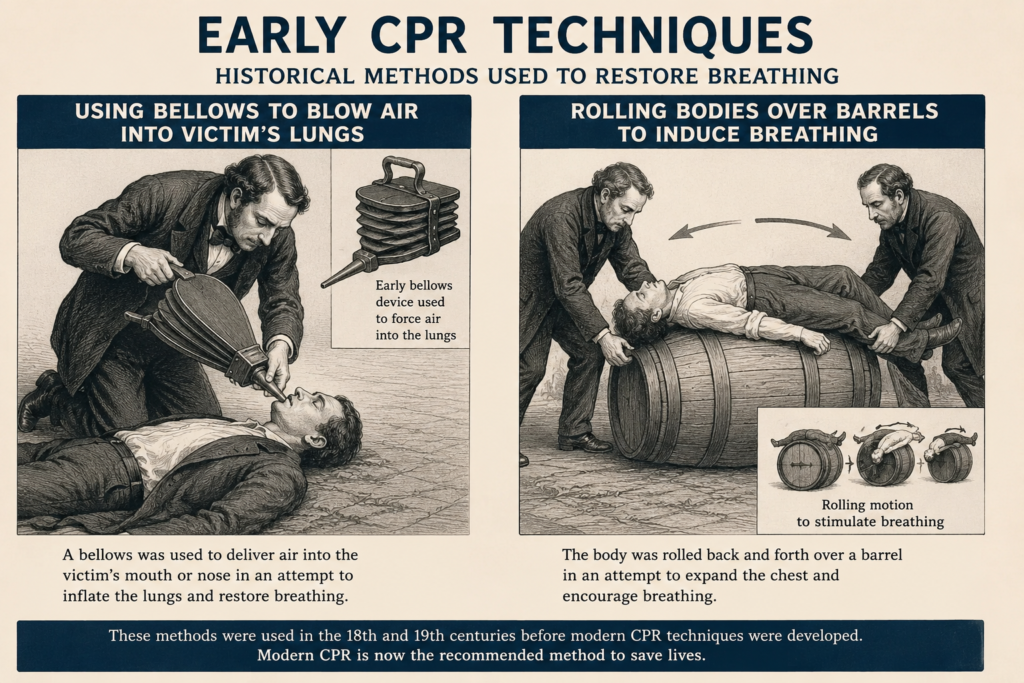
CPR has evolved significantly over centuries. Early methods included using bellows to blow air into victims’ lungs and rolling bodies over barrels to induce breathing. These crude techniques often did more harm than good, but they marked the beginning of resuscitation science.
Major Milestones
- 1740s: Mouth-to-mouth resuscitation recommended by the Paris Academy of Sciences for drowning victims
- 1891: Dr. Friedrich Maass performed the first documented chest compressions on a human
- 1960: Modern CPR (combining chest compressions with rescue breaths) was formally developed by Kouwenhoven, Jude, and Knickerbocker
- 1963: American Heart Association launched CPR training programs for the public
- 1972: First mass citizen CPR training initiative began in Seattle
Modern CPR
Today’s CPR is simplified, standardized, and backed by scientific research. Guidelines now emphasize hands-only CPR (chest compressions without rescue breaths) for untrained bystanders, high-quality compressions at the correct rate and depth, and early use of AEDs (Automated External Defibrillators). Modern training makes CPR accessible to everyone, increasing survival rates worldwide.
5. Types of CPR
Conventional CPR
This traditional method combines chest compressions with rescue breaths, typically in a 30:2 ratio. It’s recommended for trained responders and is especially important in cases like drowning, drug overdose, or when the cause of collapse is respiratory in nature.
Hands-Only CPR
Designed for untrained bystanders, this method involves only continuous chest compressions without rescue breaths. It’s easier to perform, reduces hesitation to act, and is highly effective for sudden cardiac arrest in adults, especially within the first few minutes.
Pediatric CPR
Adapted for children (ages 1–8), this technique uses lighter compression force, often with one hand instead of two, and adjusts compression depth to suit smaller bodies while maintaining the standard compression-to-breath ratio.
Infant CPR
For babies under 1 year, CPR uses two fingers for compressions instead of the palm, with gentler pressure and smaller breaths, carefully tailored to an infant’s delicate anatomy.
Advanced CPR (ALS)
Advanced Life Support is performed by medical professionals and includes airway management, IV medications, defibrillation, and cardiac monitoring—going beyond basic CPR to provide comprehensive emergency cardiac care.
6. CPR First Aid
Initial Assessment
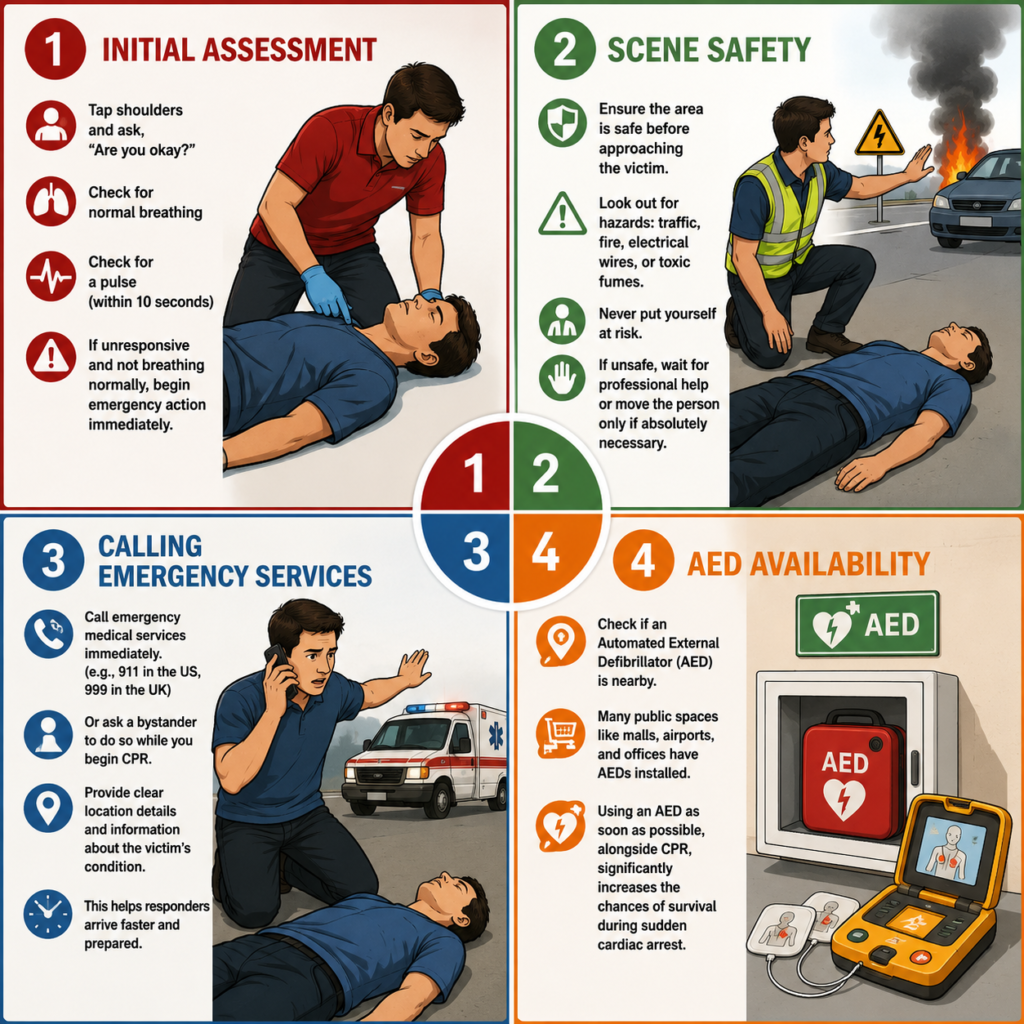
Before starting CPR, quickly check the person’s responsiveness by tapping their shoulders and asking loudly if they’re okay. Check for normal breathing and a pulse within 10 seconds. If the person is unresponsive and not breathing normally, begin emergency action immediately.
Scene Safety
Ensure the surrounding area is safe before approaching the victim. Look out for hazards such as traffic, fire, electrical wires, or toxic fumes. Never put yourself at risk—if the scene is unsafe, wait for professional help or move the person only if absolutely necessary.
Calling Emergency Services
Call emergency medical services immediately (e.g., 911 in the US, 999 in the UK) or ask a bystander to do so while you begin CPR. Providing clear location details and information about the victim’s condition helps responders arrive faster and prepared.
AED Availability
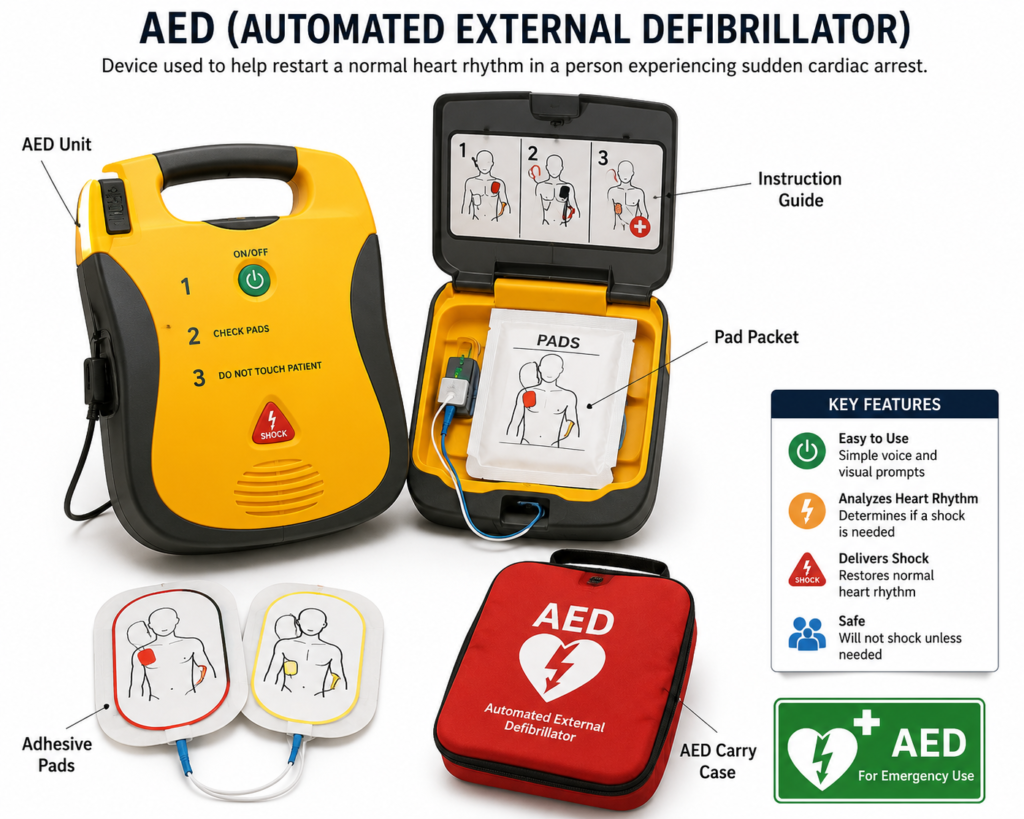
Check if an Automated External Defibrillator (AED) is nearby, as many public spaces like malls, airports, and offices have them installed. Using an AED as soon as possible, alongside CPR, significantly increases the chances of survival during sudden cardiac arrest.
7. Cardiopulmonary Resuscitation Steps
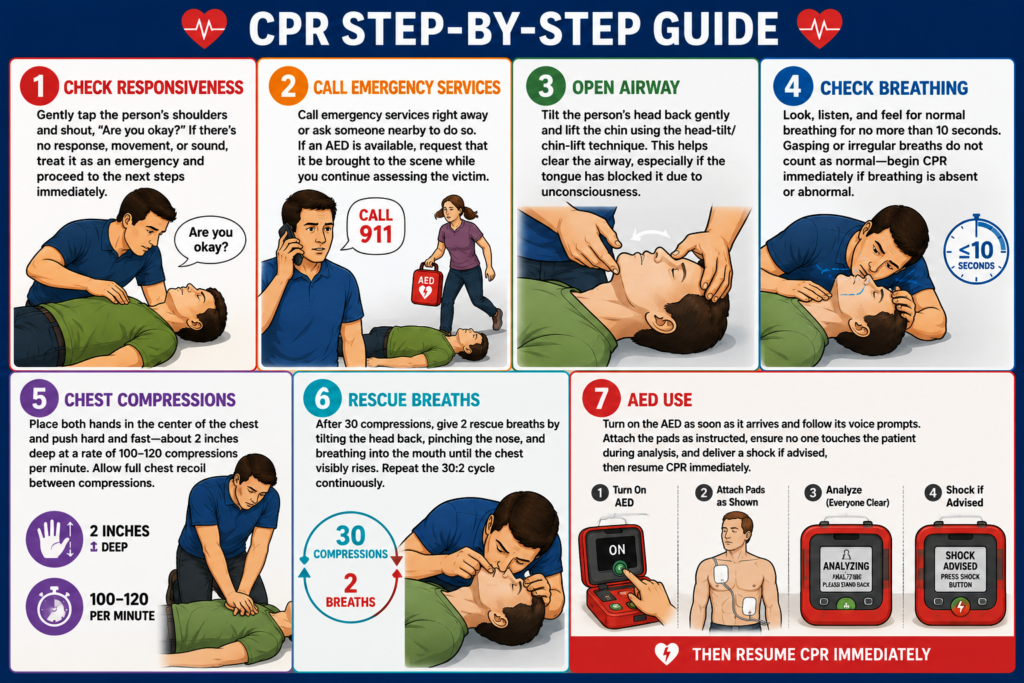
CPR Step-by-Step Guide
1. Check Responsiveness
Gently tap the person’s shoulders and shout, “Are you okay?” If there’s no response, movement, or sound, treat it as an emergency and proceed to the next steps immediately.
2. Call Emergency Services
Call emergency services right away or ask someone nearby to do so. If an AED is available, request that it be brought to the scene while you continue assessing the victim.
3. Open Airway
Tilt the person’s head back gently and lift the chin using the head-tilt/chin-lift technique. This helps clear the airway, especially if the tongue has blocked it due to unconsciousness.
4. Check Breathing
Look, listen, and feel for normal breathing for no more than 10 seconds. Gasping or irregular breaths do not count as normal—begin CPR immediately if breathing is absent or abnormal.
5. Chest Compressions
Place both hands in the center of the chest and push hard and fast—about 2 inches deep at a rate of 100–120 compressions per minute. Allow full chest recoil between compressions.
6. Rescue Breaths
After 30 compressions, give 2 rescue breaths by tilting the head back, pinching the nose, and breathing into the mouth until the chest visibly rises. Repeat the 30:2 cycle continuously.
7. AED Use
Turn on the AED as soon as it arrives and follow its voice prompts. Attach the pads as instructed, ensure no one touches the patient during analysis, and deliver a shock if advised, then resume CPR immediately.
8. Cardiopulmonary Resuscitation Algorithm
Many people don’t know how to perform CPR, yet it can make the difference between life and death during an emergency.
This video demonstrates the correct CPR techniques for:
👶 Infants (0–1 Year)
🧒 Children (1–8 Years)
🧑 Adults (9+ Years)
⚠️ CPR methods vary by age, and using the right technique is crucial.
📚 Take a few minutes to learn this skill—you may one day save a family member, friend, coworker, or even a stranger.
9. Cardiopulmonary Resuscitation Techniques
Techniques
Hand Placement
Place the heel of one hand on the center of the chest (lower half of the breastbone), and place the other hand directly on top, interlocking fingers. Keep arms straight and shoulders positioned directly over the hands for maximum compression force.
Compression Depth
For adults, compress the chest at least 2 inches (5 cm) but no more than 2.4 inches (6 cm). For children, compress about 2 inches, and for infants, about 1.5 inches, using two fingers instead of the palm.
Compression Rate
Maintain a steady rate of 100–120 compressions per minute for all age groups. A helpful trick is compressing to the beat of a song like “Stayin’ Alive,” which naturally matches this tempo.
Rescue Breathing
Tilt the head back, pinch the nose shut, and seal your mouth over the person’s mouth. Give each breath over 1 second, watching for visible chest rise, then let the chest fall before the next breath.
AED Operation
Turn on the AED and follow its voice prompts. Attach pads to bare, dry skin as shown in the diagram. Ensure no one touches the person during rhythm analysis, and deliver a shock only when advised by the device.
10. Cardiac Resuscitation Guidelines (Latest)
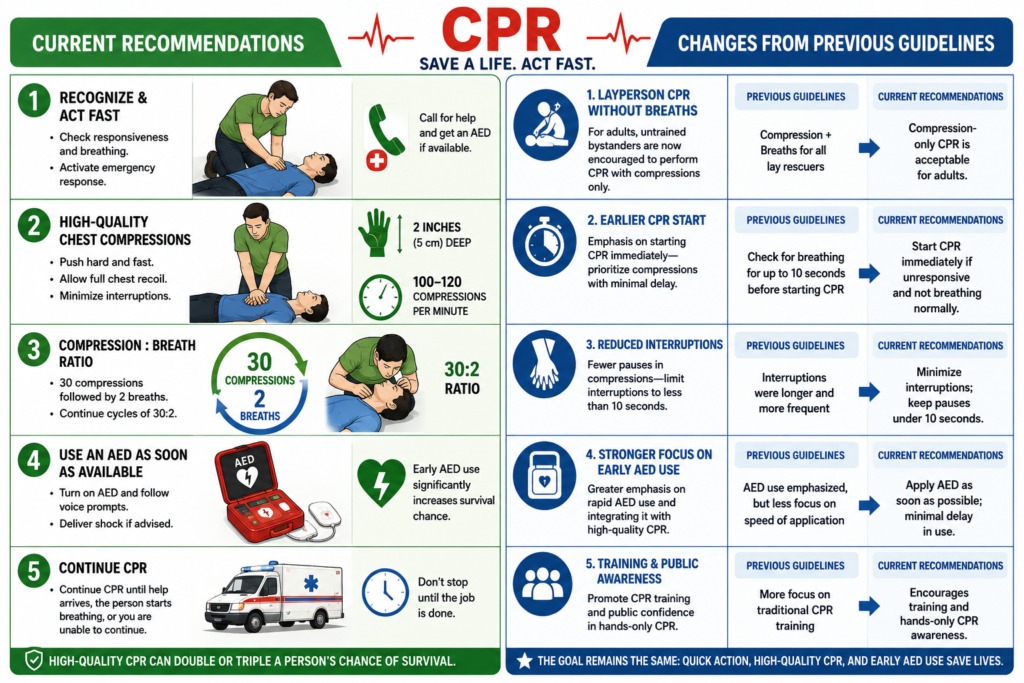
The current CPR recommendations are based on the latest guidelines from organizations such as the American Heart Association (AHA) and European Resuscitation Council (ERC). They emphasize rapid recognition, high-quality chest compressions, early defibrillation, and minimizing interruptions.
Current CPR Recommendations
- Ensure Scene Safety
- Confirm the environment is safe before approaching the victim.
- Check Responsiveness
- Tap the person’s shoulders and shout, “Are you okay?”
- Call Emergency Services
- Activate emergency medical services (EMS) immediately.
- Ask someone to bring an AED if available.
- Check Breathing
- Assess breathing for no more than 10 seconds.
- Gasping is not normal breathing.
- Start Chest Compressions Immediately
- Compress the center of the chest.
- Depth: 5–6 cm (2–2.4 inches) for adults.
- Rate: 100–120 compressions per minute.
- Allow full chest recoil.
- Minimize interruptions to less than 10 seconds.
- Compression-to-Breath Ratio
- 30 compressions : 2 rescue breaths for trained rescuers.
- Untrained bystanders may perform Hands-Only CPR (compressions only).
- Use an AED as Soon as Possible
- Turn on the AED immediately.
- Follow voice prompts.
- Resume CPR immediately after any shock or if no shock is advised.
- Continue CPR
- Continue until:
- The person shows signs of life.
- Professional rescuers take over.
- You are physically unable to continue.
- The scene becomes unsafe.
- Continue until:
Changes from Previous CPR Guidelines
| Previous Guidelines | Current Recommendations |
|---|---|
| Longer “Look, Listen, and Feel” breathing check | Limit breathing assessment to 10 seconds |
| Greater emphasis on Airway and Breathing (A-B-C) | C-A-B sequence (Compressions → Airway → Breathing) to start compressions sooner |
| Chest compressions sometimes delayed | Begin compressions immediately after recognizing cardiac arrest |
| Compression depth less clearly defined | Adult compression depth specified as 5–6 cm (2–2.4 in) |
| Compression rate less standardized | Maintain 100–120 compressions per minute |
| More interruptions for pulse checks and ventilation | Emphasis on minimal interruptions (<10 seconds) |
| Rescue breaths emphasized for all rescuers | Hands-Only CPR recommended for untrained bystanders |
| AED use encouraged | Earlier AED use with immediate application when available |
| Less focus on compression quality | Strong emphasis on high-quality compressions, full recoil, and correct depth and rate |
| Less public CPR training | Increased promotion of CPR education and public AED accessibility |
Key Takeaways
- Start CPR sooner—don’t delay chest compressions.
- Compress hard and fast (100–120/min, 5–6 cm deep).
- Hands-Only CPR is acceptable for untrained rescuers.
- Use an AED as early as possible.
- Minimize interruptions to chest compressions.
- Follow the C-A-B sequence: Compressions → Airway → Breathing.
11. Cardiopulmonary Resuscitation AHA Guidelines
Latest AHA Recommendations
The AHA released its first major CPR update since 2020, published October 2025 in Circulation, adding new guidance on choking, opioid emergencies, and the Chain of Survival. Adults with severe choking should now receive alternating cycles of 5 back blows and 5 abdominal thrusts. For infants, chest compressions use the heel of one hand or the two-thumb technique, replacing the two-finger method. The term “rescue breaths” is now simply called “breaths.” *(EMS1)
High-Quality CPR
Only ~41% of out-of-hospital cardiac arrest victims receive bystander CPR, despite early CPR doubling or tripling survival odds. Guidelines stress proper depth, rate, full chest recoil, and minimal interruptions, alongside wider CPR training through media campaigns and community programs. American Heart AssociationHeart
Chain of Survival
The 4 age/setting-specific chains from 2020 are now merged into one 6-link Chain of Survival. It covers recognition and activation, high-quality CPR, advanced resuscitation, post-arrest care, and recovery/survivorship. A separate 7-link Newborn Chain of Care now addresses prenatal-to-postpartum outcomes. AHA Journals
12. Cardiopulmonary Resuscitation American Heart Association
- About the American Heart Association (AHA)
- Founded in 1924, the AHA believes scientific research drives better prevention, treatment, and recovery from cardiovascular disease. It formally endorsed CPR in 1963 and published its first Advanced Cardiovascular Life Support textbook in 1975. Today, it operates 4,000+ training centers in 100+ countries, training over 20 million people annually. AHA Journals + 2
- Why AHA Certification Matters
- Around 90% of U.S. healthcare providers hold AHA training, reflecting strong trust. Courses are evidence-based and accepted by most hospitals and healthcare organizations, with certifications valid for two years before renewal. Since AHA guidance follows ILCOR’s globally reviewed protocols, certification reflects internationally vetted science, not just organizational standards. American Heart Association
- Global Recognition
- ILCOR unites member councils from North America, Europe, Australia, Africa, and Asia, with the AHA representing the U.S. This link makes AHA certifications globally esteemed and recognized across healthcare and workplace settings. Collaboration with the World Heart Federation further strengthens the AHA’s global knowledge-sharing and training influence. ProCPR
13. Cardiopulmonary Resuscitation Training
Who Should Learn CPR
CPR is essential for everyone—not just medical professionals. Parents, teachers, coaches, lifeguards, office employees, and caregivers all benefit, since only about 41% of adults experiencing cardiac arrest outside a hospital receive CPR before EMS arrives, despite early CPR doubling or tripling survival chances. Given children 12 and older can learn effective CPR and defibrillation, training is valuable even for students and young adults. American Heart AssociationHeart
Training Duration
Basic CPR courses, such as Heartsaver CPR/AED, typically take 2–4 hours to complete, combining online modules with hands-on practice. Healthcare provider courses like BLS may run slightly longer due to more detailed skill assessments. Certifications remain valid for two years, after which a renewal or refresher course is required to keep skills current and confidence high. Safetytrainingseminars
Practical Skills
Hands-on training covers checking responsiveness, calling emergency services, performing chest compressions at the correct depth and rate, giving breaths, and operating an AED confidently. Programs like Resuscitation Quality Improvement (RQI) use low-dose, high-frequency practice instead of only biennial certification, helping learners retain muscle memory and respond effectively during real emergencies. Heart
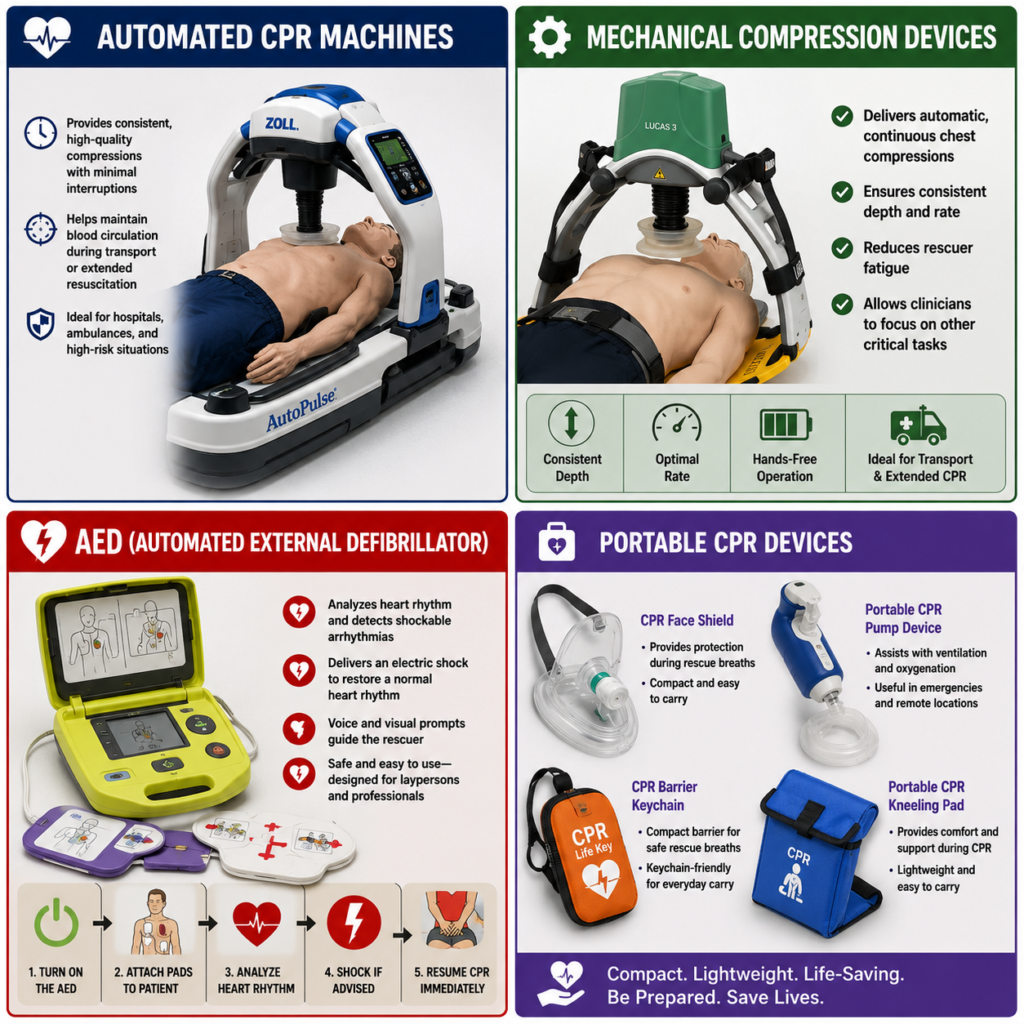
14. Cardiopulmonary Resuscitation Machine & Devices
15. Cardiopulmonary Resuscitation Diagram
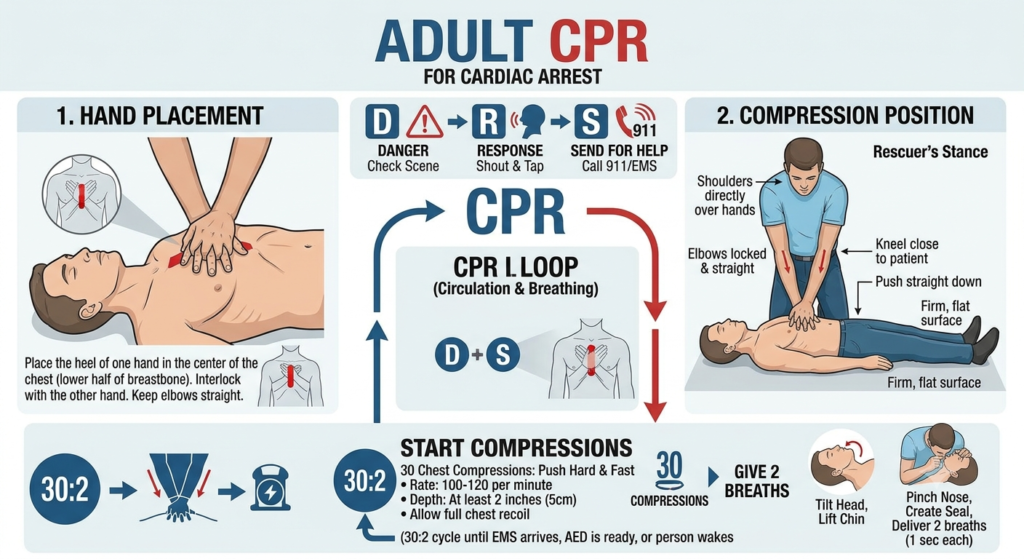
16. Cardiopulmonary Resuscitation Poster
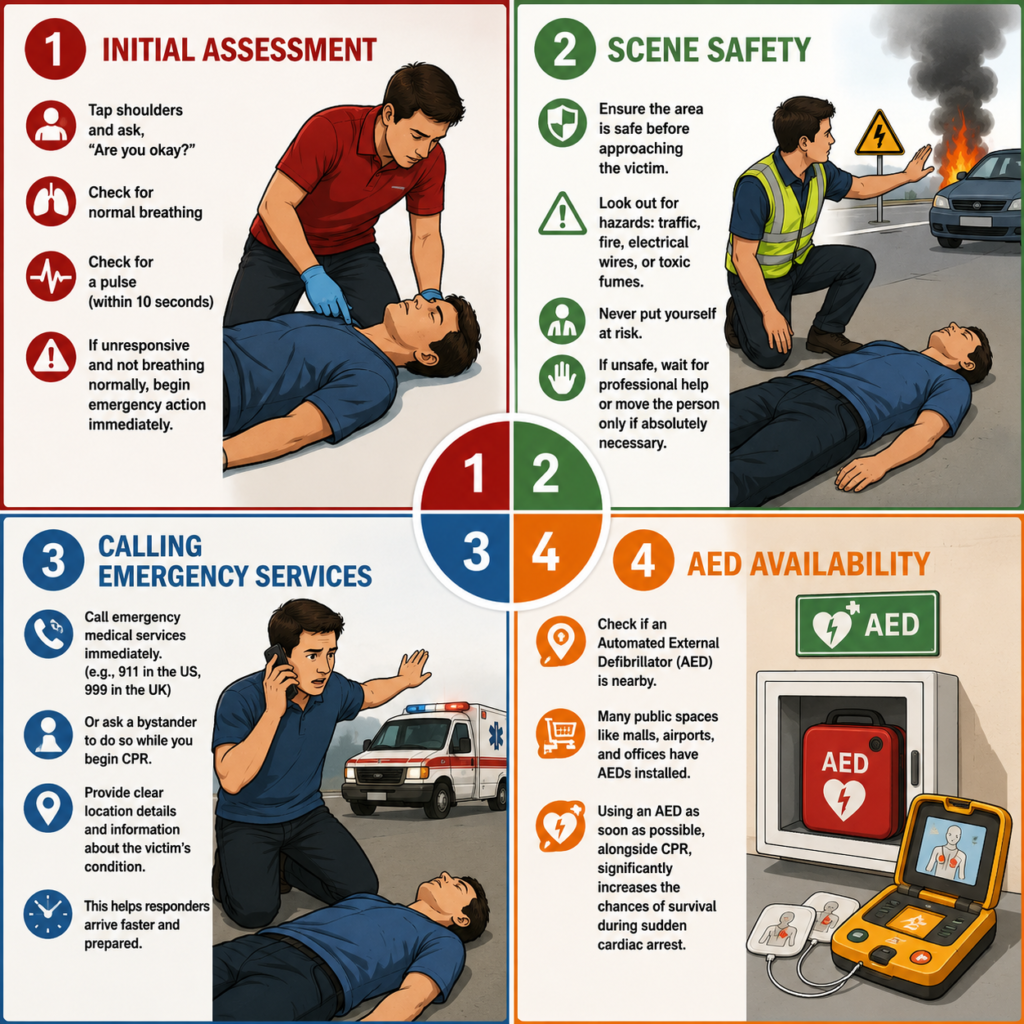
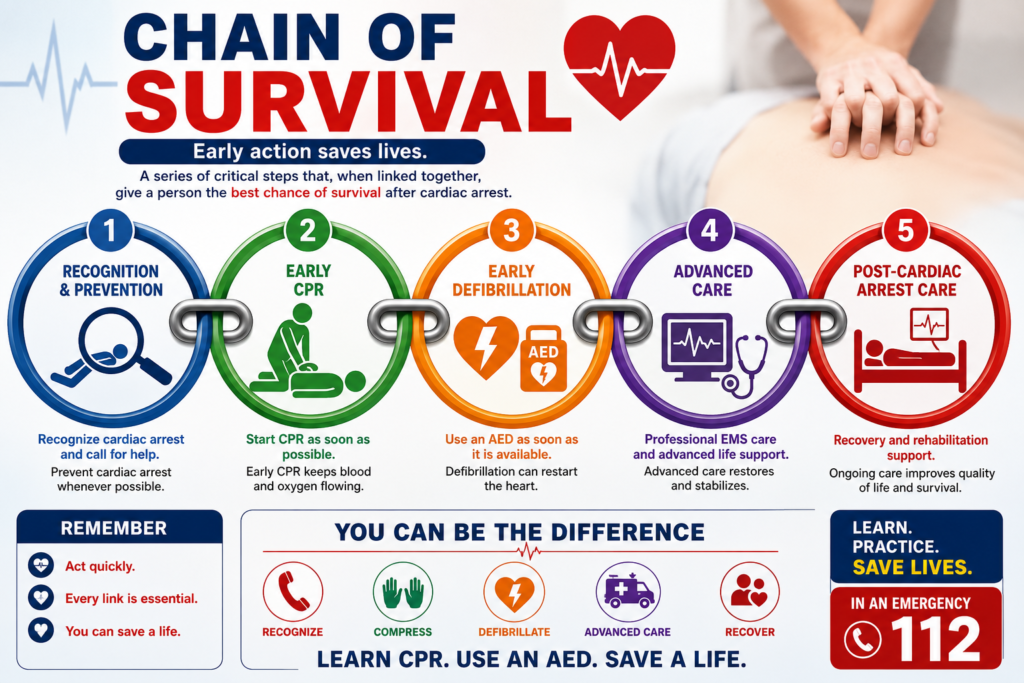
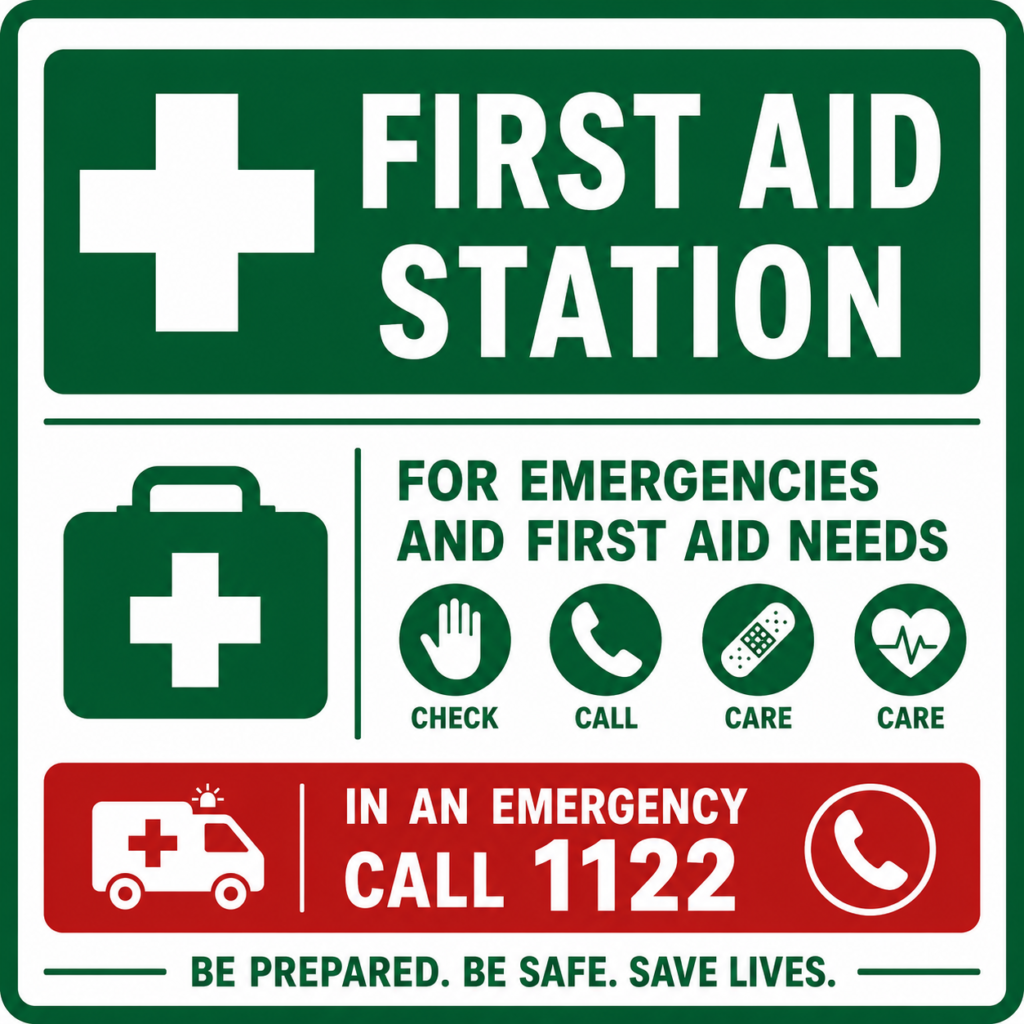
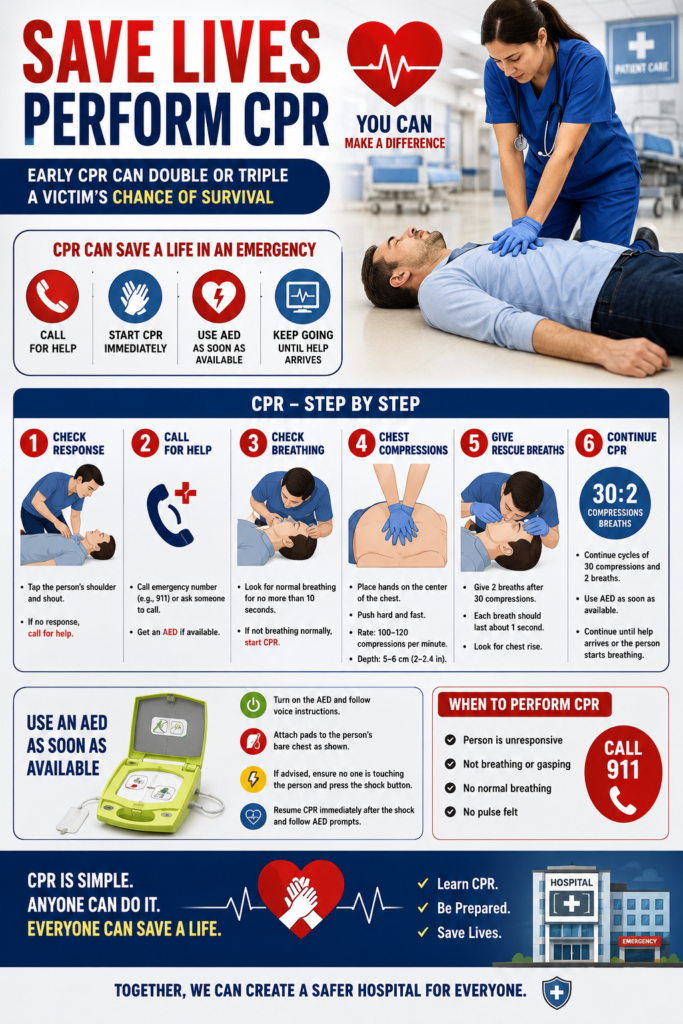
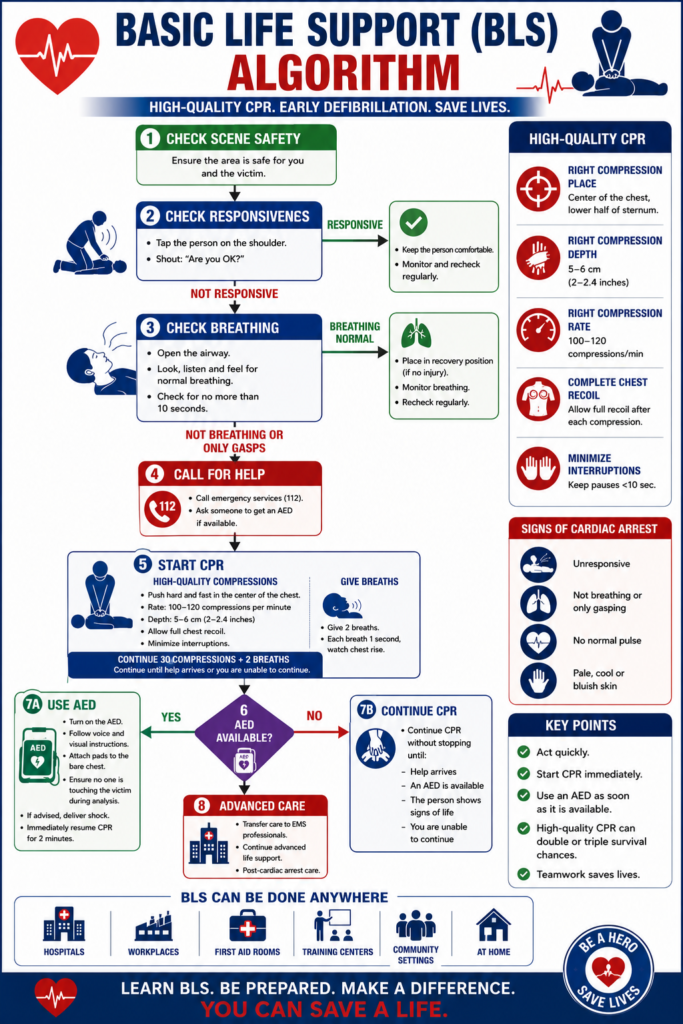
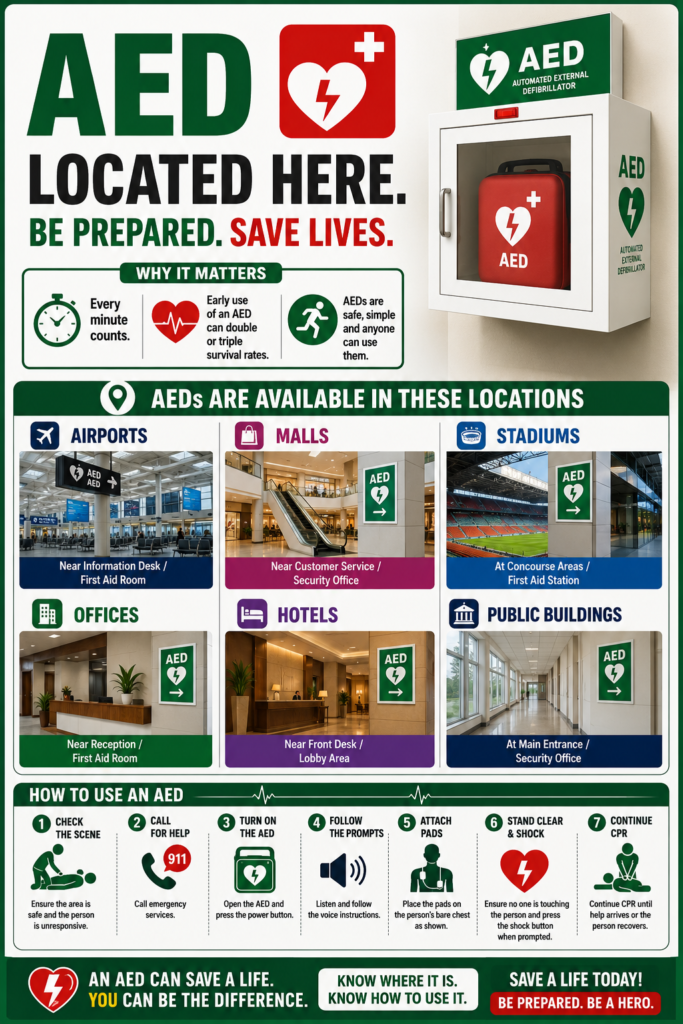
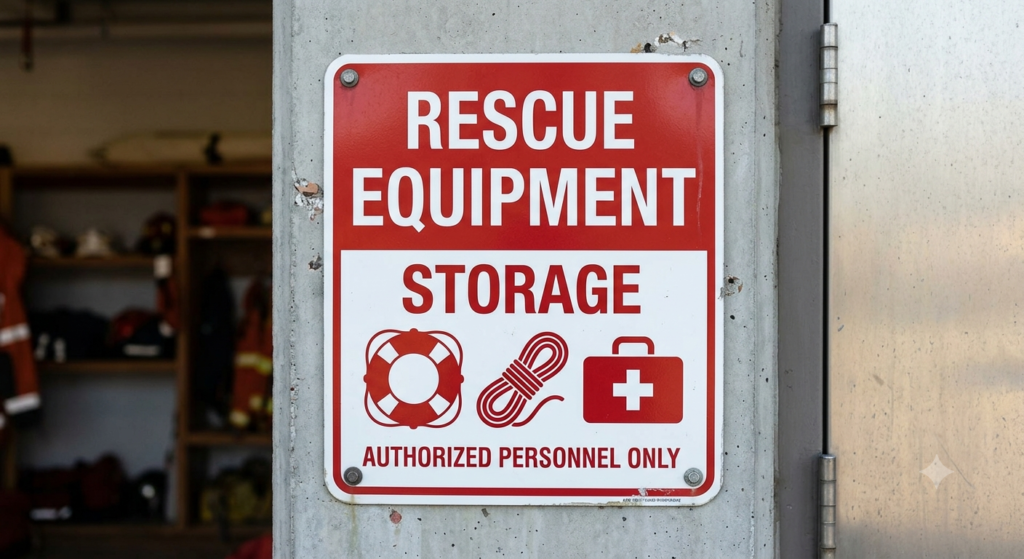
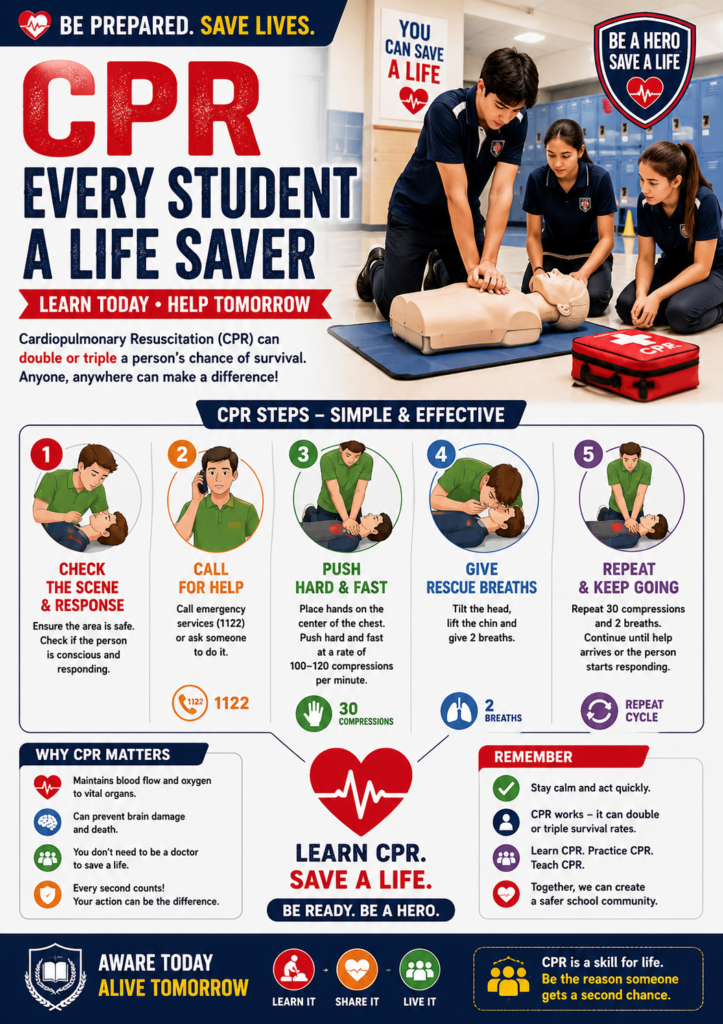
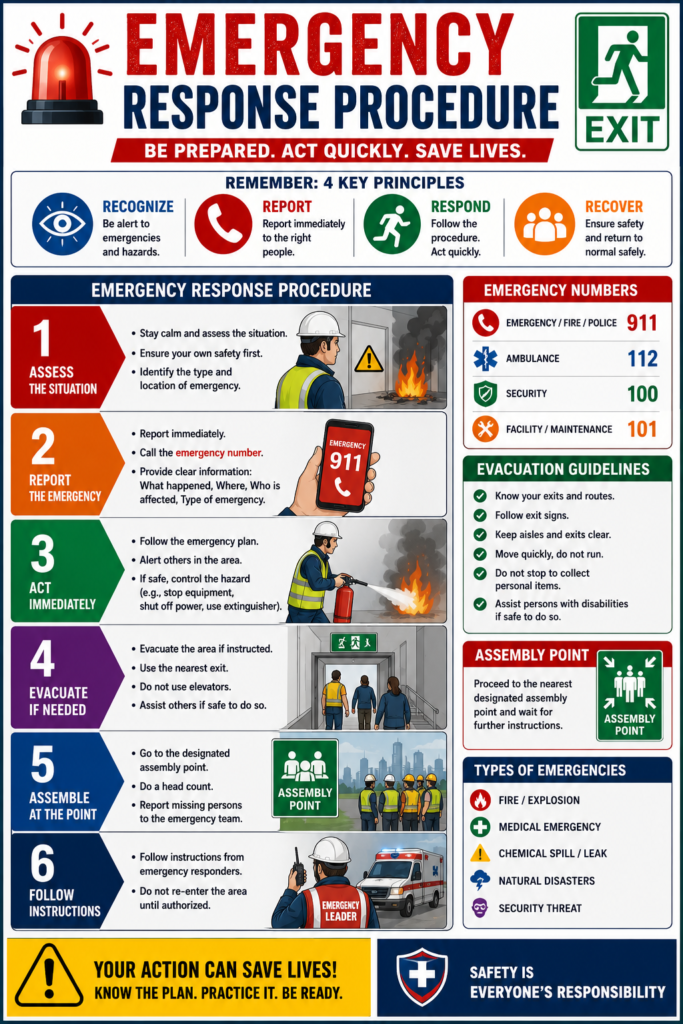
Comment Below so that i will send you more in large size of more Posters.
17. Cardiopulmonary Resuscitation PDF
- CPR checklist
18. Frequently Asked Questions (FAQs)
Include questions such as:
What is CPR? CPR (Cardiopulmonary Resuscitation) is an emergency procedure combining chest compressions and breaths to keep blood and oxygen circulating when someone’s heart stops or they stop breathing.
What is the CPR ratio? The standard ratio is 30 compressions to 2 breaths (30:2) for single-rescuer CPR in adults, children, and infants.
How long should CPR be continued? CPR should continue until the person shows signs of life, an AED becomes available, professional emergency responders arrive and take over, or the rescuer is too exhausted to continue safely.
What is Hands-Only CPR? Hands-Only CPR involves continuous chest compressions without rescue breaths. It’s recommended for untrained bystanders responding to an adult in sudden cardiac arrest, since it’s simpler and reduces hesitation to act.
What is the success rate of CPR? Survival rates vary widely depending on how quickly CPR and defibrillation are started. Early CPR can double or triple a person’s chance of survival, but overall survival to hospital discharge for out-of-hospital cardiac arrest generally remains modest, often cited in the range of 10% or lower without immediate bystander intervention.
Can CPR break ribs? Yes. Rib fractures or cartilage damage are common during proper chest compressions, especially in older adults, because effective compressions require significant force. This is considered an acceptable risk compared to the alternative of death.
Who should not receive CPR? CPR should not be performed on someone who is conscious, breathing normally, has a valid Do Not Resuscitate (DNR) order, or shows obvious signs of irreversible death (e.g., rigor mortis). If in doubt, rescuers should proceed with CPR.
Is CPR difficult to learn? No, basic CPR is straightforward and can typically be learned in a few hours through a certified course. Evidence shows children 12 years and older can be taught effective CPR and defibrillation, showing how accessible the skill is.
19. Conclusion
Cardiopulmonary resuscitation (CPR) is a life-saving skill that can significantly improve the chances of survival during cardiac arrest. Understanding when and how to perform CPR, using an AED correctly, and following the latest guidelines can make a critical difference before emergency medical services arrive.
CPR training equips individuals with the confidence and practical skills needed to respond effectively in emergencies at home, in the workplace, at school, or in public places. Regular training and certification help ensure these skills remain current and effective.
Always prioritize scene safety, call emergency services immediately, begin high-quality CPR without delay, and use an Automated External Defibrillator (AED) as soon as it is available. Continue CPR until professional medical help takes over or the person shows clear signs of recovery.
Learning CPR is an investment in saving lives. Consider enrolling in a recognized CPR certification course and encourage your family, friends, and colleagues to become trained so that more people are prepared to respond confidently during a cardiac emergency.


 By
By