
Introduction
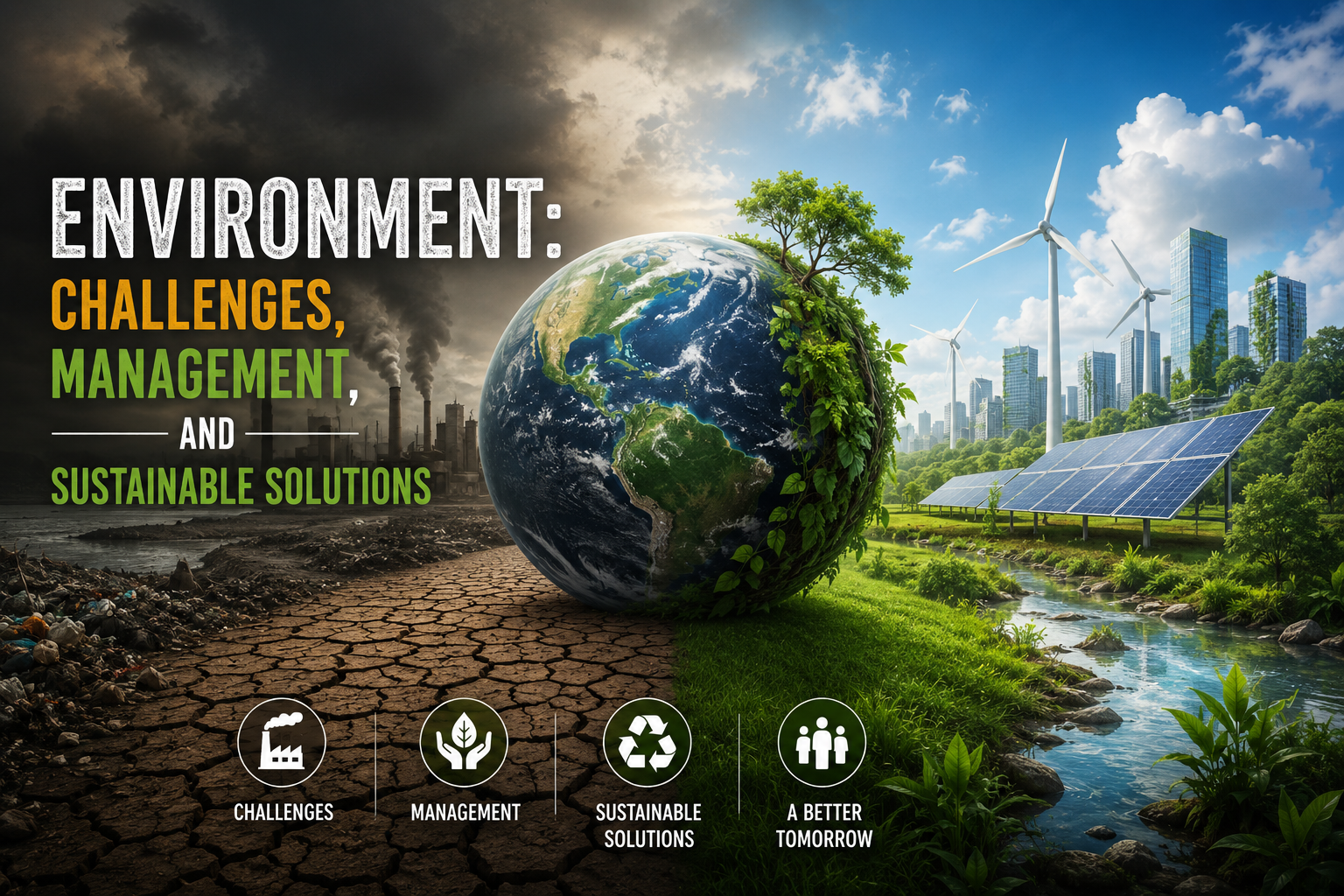
The environment is the sum total of all living and non-living things that surround us — the air we breathe, the water we drink, the soil that grows our food, and the countless ecosystems that sustain life on Earth. It is not a backdrop to human activity but the very foundation upon which civilization depends. Every industry, every city, and every household interacts with the environment in ways that either sustain or degrade it. As human populations have grown and industrialization has accelerated, the pressure placed on natural systems has increased dramatically, giving rise to a range of interconnected environmental challenges.
Among the most pressing of these challenges are air pollution, the mismanagement of solid waste, the improper handling of hazardous and non-hazardous waste, inadequate water and wastewater treatment, water logging in urban and agricultural areas, poor sanitation infrastructure, and the problem of sedimentation in water bodies. These issues, while distinct, are deeply interconnected. Poor solid waste management contributes to water pollution and sedimentation; inadequate sanitation leads to wastewater contamination; and unmanaged hazardous waste can pollute both air and water simultaneously. Understanding each of these problems individually, as well as their interdependence, is essential for developing effective environmental management strategies. This essay examines each of these critical environmental issues in depth, exploring their causes, consequences, and the solutions that can help societies move toward a more sustainable relationship with the natural world.
Table of Contents
Air Pollution
Air pollution is the contamination of the atmosphere by substances that are harmful to human health, other living organisms, or the environment. It is one of the most visible and immediate environmental problems, particularly in rapidly urbanizing and industrializing regions. The World Health Organization has repeatedly identified air pollution as one of the greatest environmental risks to health, contributing to millions of premature deaths worldwide each year.
Sources of Air Pollution
Air pollution arises from both natural and anthropogenic (human-caused) sources. Natural sources include volcanic eruptions, wildfires, dust storms, and pollen. However, it is anthropogenic sources that have caused the most significant and persistent deterioration in air quality. These include:
- Vehicular emissions: The combustion of fossil fuels in cars, trucks, buses, and motorcycles releases carbon monoxide, nitrogen oxides, sulfur dioxide, and particulate matter into the atmosphere. In densely populated cities with heavy traffic congestion, vehicular emissions are often the single largest contributor to poor air quality.
- Industrial emissions: Factories, power plants, and manufacturing facilities release a wide range of pollutants, including sulfur dioxide, nitrogen oxides, volatile organic compounds (VOCs), and heavy metals. Industries that burn coal or other fossil fuels for energy are particularly significant contributors.
- Construction and demolition activities: These generate large quantities of dust and particulate matter, especially in rapidly growing urban areas.
- Agricultural practices: The burning of crop residue, use of pesticides, and livestock farming (which releases methane and ammonia) all contribute to air pollution.
- Domestic sources: In many developing regions, the burning of solid fuels such as wood, coal, and dung for cooking and heating remains a major source of indoor and outdoor air pollution.
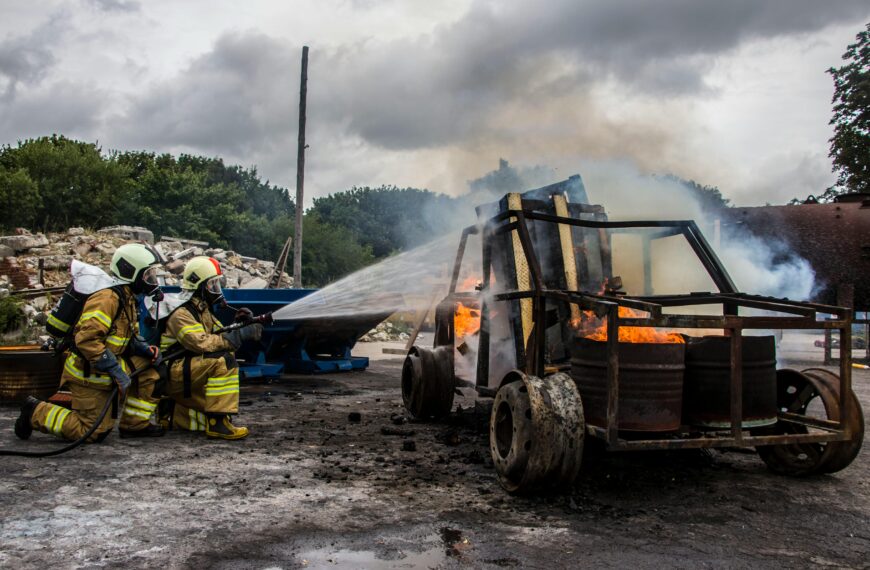
- Open burning of waste: Uncollected or improperly managed solid waste is frequently burned in open areas, releasing toxic smoke containing dioxins, furans, and particulate matter.
Types of Air Pollutants
Air pollutants are generally categorized into primary pollutants, which are emitted directly from a source, and secondary pollutants, which form through chemical reactions in the atmosphere. Key pollutants include:
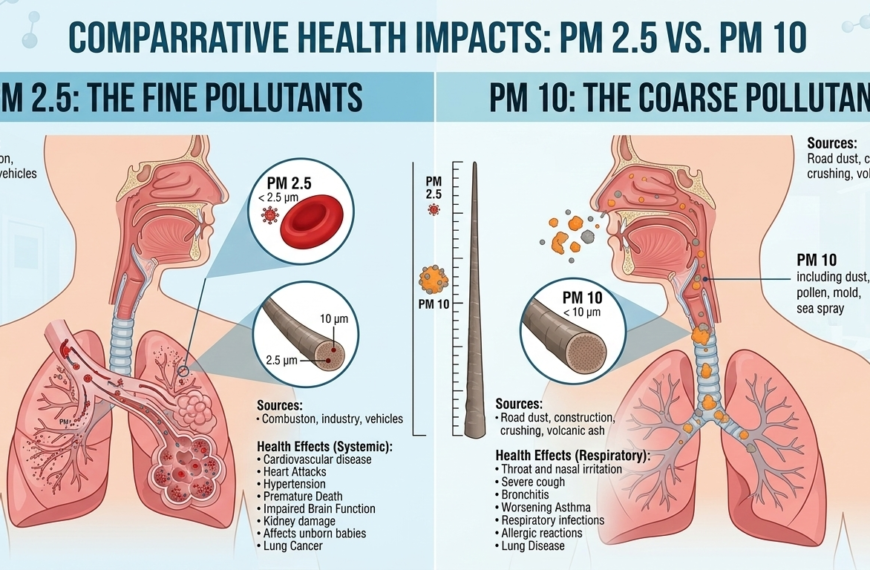
- Particulate Matter (PM10 and PM2.5): Tiny particles suspended in the air that can penetrate deep into the lungs and even enter the bloodstream, causing respiratory and cardiovascular diseases.
- Sulfur Dioxide (SO2): Produced primarily from the burning of fossil fuels containing sulfur, contributing to acid rain and respiratory problems.
- Nitrogen Oxides (NOx): Emitted from vehicles and industrial processes, contributing to smog formation and respiratory illness.
- Carbon Monoxide (CO): A colorless, odorless gas produced by incomplete combustion, which interferes with the blood’s ability to carry oxygen.
- Ground-level Ozone (O3): A secondary pollutant formed when NOx and VOCs react in sunlight, causing respiratory irritation and damage to vegetation.
- Volatile Organic Compounds (VOCs): Emitted from paints, solvents, fuels, and industrial processes, some of which are carcinogenic.
Consequences of Air Pollution
The consequences of air pollution are far-reaching, affecting human health, ecosystems, and the climate. On the health front, prolonged exposure to polluted air is linked to asthma, chronic obstructive pulmonary disease (COPD), lung cancer, heart disease, and stroke. Children, the elderly, and those with pre-existing health conditions are especially vulnerable. Air pollution also has significant environmental consequences, including acid rain, which damages forests, soils, and aquatic ecosystems, and the formation of smog, which reduces visibility and harms crops. Furthermore, many air pollutants, such as carbon dioxide and methane, are greenhouse gases that contribute directly to climate change.
Mitigation Strategies
Addressing air pollution requires a multi-pronged approach involving regulation, technology, and behavioral change. Governments can implement and enforce emission standards for vehicles and industries, promote the use of cleaner fuels, and invest in public transportation to reduce reliance on private vehicles. Encouraging the adoption of renewable energy sources such as solar and wind power can significantly reduce emissions from the power sector. Urban planning that incorporates green spaces, tree planting, and pedestrian-friendly infrastructure can also help improve air quality. At the individual level, reducing vehicle use, properly maintaining engines, avoiding the open burning of waste, and supporting clean energy initiatives all contribute to cleaner air.
Solid Waste Management
Solid waste management refers to the collection, transportation, processing, recycling, and disposal of solid waste materials generated by households, industries, and commercial establishments. As urban populations grow, the volume of waste generated increases correspondingly, placing enormous strain on municipal systems that are often ill-equipped to handle it.
The Waste Generation Challenge
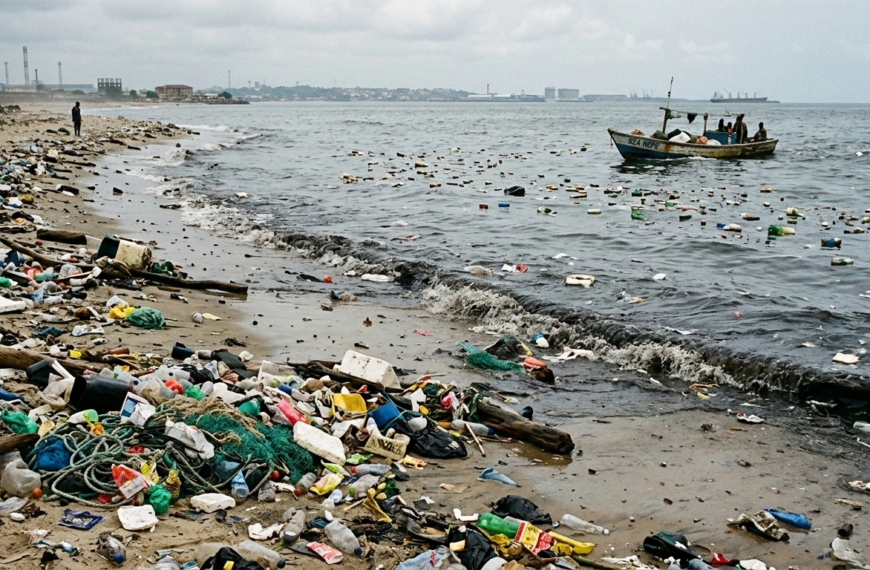
Solid waste includes a diverse array of materials: food scraps, paper, plastics, glass, metals, textiles, and more. In many developing cities, waste generation rates have outpaced the capacity of local governments to collect and manage it effectively. This results in waste accumulating on streets, in open lots, and in waterways, creating breeding grounds for disease vectors such as flies and rodents, and contributing to both air and water pollution when waste is burned or washed into rivers and drains.
Read more About Trees & Plantation
The Waste Management Hierarchy
Effective solid waste management follows a hierarchy of preferred actions, often referred to as the “3Rs” or expanded to the “5Rs”:
- Reduce: Minimizing waste generation at the source through mindful consumption, product design, and packaging reduction.
- Reuse: Extending the life of products and materials through repair, refurbishment, or repurposing before disposal.
- Recycle: Processing waste materials to create new products, reducing the demand for virgin raw materials and diverting waste from landfills.
- Recover: Extracting energy or other resources from waste that cannot be recycled, such as through waste-to-energy incineration or composting of organic waste.
- Residual Disposal: Only waste that cannot be reduced, reused, recycled, or recovered should ultimately be sent to a sanitary landfill.
Collection and Segregation
A critical first step in effective waste management is source segregation — separating waste at the point of generation into categories such as organic/biodegradable waste, recyclables (paper, plastic, glass, metal), and non-recyclable residual waste. Segregated waste is far easier and cheaper to process than mixed waste, as it reduces contamination of recyclable materials and allows organic waste to be composted rather than landfilled. Many cities struggle with this step due to lack of public awareness, inadequate collection infrastructure, and insufficient enforcement of segregation regulations.
Treatment and Disposal Methods
Once collected, waste can be managed through several methods:
- Composting: Organic waste such as food scraps and yard waste can be broken down biologically to produce compost, a valuable soil amendment. This diverts a significant portion of the waste stream away from landfills while producing a useful product.
- Recycling facilities: Materials recovery facilities sort and process recyclable materials for reuse in manufacturing, reducing the need for virgin resource extraction.
- Waste-to-energy incineration: Controlled combustion of waste can generate electricity or heat, though it requires sophisticated emission control technology to prevent air pollution.
- Sanitary landfills: Engineered landfills with impermeable liners, leachate collection systems, and gas capture systems are designed to safely contain residual waste and prevent contamination of groundwater and air.
- Open dumping: Unfortunately, in many parts of the world, waste is still disposed of in unmanaged open dumps, which pose severe risks of groundwater contamination, air pollution from spontaneous combustion, and disease transmission.
Challenges in Solid Waste Management
Many municipalities face persistent challenges including inadequate funding, insufficient collection vehicles and infrastructure, lack of trained personnel, low public awareness about segregation, and the informal but essential role played by waste pickers who often work in unsafe conditions without recognition or protection. Addressing these challenges requires integrated planning that combines infrastructure investment, public education campaigns, formalization of the informal recycling sector, and strong policy frameworks that hold producers accountable for the waste generated by their products (extended producer responsibility).
Hazardous and Non-Hazardous Waste
Not all waste poses the same level of risk, and distinguishing between hazardous and non-hazardous waste is fundamental to designing appropriate management systems.
Defining Hazardous Waste
Hazardous waste is waste that possesses properties making it dangerous or capable of having a harmful effect on human health or the environment. These properties typically include:
- Toxicity: Capable of causing harm or death when ingested, inhaled, or absorbed.
- Ignitability: Capable of catching fire under certain conditions.
- Corrosivity: Capable of corroding metal or causing severe burns upon contact.
- Reactivity: Unstable and capable of causing explosions or releasing toxic gases when exposed to water, air, or other substances.
- Infectiousness: Containing pathogens capable of causing disease, as in the case of medical waste.
Common sources of hazardous waste include industrial processes (chemical manufacturing, metal processing, tanneries), healthcare facilities (used syringes, expired pharmaceuticals, pathological waste), electronic waste (batteries, circuit boards containing heavy metals), and household hazardous waste (pesticides, paints, solvents, batteries).
Defining Non-Hazardous Waste
Non-hazardous waste, by contrast, does not pose an immediate or significant threat to health or the environment when handled through standard waste management practices. This includes most household waste such as food scraps, paper, cardboard, plain plastics, and yard trimmings. While non-hazardous, this waste still requires proper management, as even non-hazardous waste can cause environmental harm if it is allowed to accumulate improperly, decompose in uncontrolled conditions, or block drainage systems.
Management of Hazardous Waste
Hazardous waste requires specialized handling at every stage of its lifecycle:
- Generation and labeling: Hazardous waste must be clearly identified and labeled at the point of generation to ensure it is not mixed with general waste.
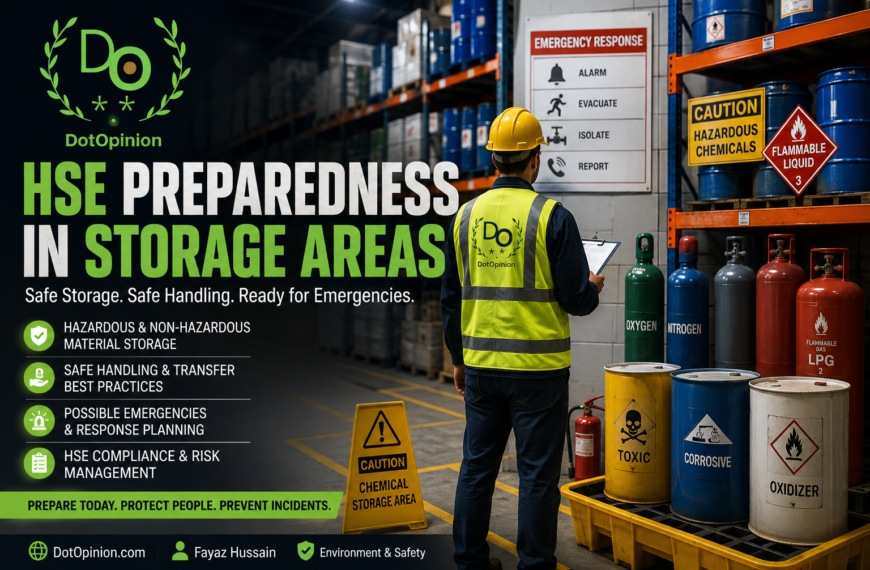
- Storage: Requires secure, contained storage facilities designed to prevent leaks, spills, and unauthorized access.
- Transportation: Must comply with strict regulations regarding packaging, labeling, and vehicle specifications to prevent accidents during transit.
- Treatment: Depending on the nature of the waste, treatment may involve neutralization of corrosive materials, stabilization and solidification of toxic substances, incineration at high temperatures to destroy organic hazardous compounds, or specialized processes such as autoclaving for medical waste.
- Disposal: Hazardous waste that cannot be treated or recycled must be disposed of in specially engineered secure landfills with multiple layers of protection against leakage into soil and groundwater.
Failure to properly manage hazardous waste can lead to severe consequences, including soil and groundwater contamination, bioaccumulation of toxic substances in the food chain, occupational health hazards for waste handlers, and long-term public health crises in communities near improperly managed disposal sites. The improper handling of electronic waste, for instance, has become a growing global concern, as discarded electronics contain valuable but hazardous materials such as lead, mercury, and cadmium, which can leach into the environment if not properly recycled.
Regulatory Frameworks
Most countries have established regulatory frameworks governing the identification, handling, and disposal of hazardous waste, often modeled on international agreements such as the Basel Convention, which regulates the transboundary movement of hazardous wastes. Effective regulation requires clear classification systems, licensing requirements for waste handlers, regular inspections, and significant penalties for non-compliance. However, enforcement remains a challenge in many regions due to limited institutional capacity and resources.
Water and Wastewater Treatment
Water is essential to all life, yet it is also one of the most heavily impacted environmental resources. As water is used for drinking, agriculture, and industry, it inevitably becomes contaminated and must be treated before it can be safely returned to the environment or reused.
The Water Treatment Process
Water treatment refers to the process of making raw water — sourced from rivers, lakes, or groundwater — safe for human consumption and other uses. The typical water treatment process includes several stages:
- Coagulation and Flocculation: Chemicals are added to raw water to cause small particles to clump together into larger, heavier particles called flocs.
- Sedimentation: The water is allowed to sit so that the heavier flocs can settle to the bottom, separating them from the water.
- Filtration: The water passes through filters composed of sand, gravel, and charcoal to remove remaining suspended particles.
- Disinfection: Chemical agents such as chlorine, or physical processes such as ultraviolet light, are used to kill remaining pathogens, making the water safe to drink.
The Wastewater Treatment Process
Wastewater treatment, on the other hand, deals with water that has already been used — whether domestic sewage, industrial effluent, or stormwater runoff — and must be treated before being discharged back into the environment or reused. Wastewater treatment typically occurs in stages:
- Primary Treatment: Physical processes remove large solids and grit through screening and sedimentation.
- Secondary Treatment: Biological processes use microorganisms to break down organic matter dissolved in the wastewater, typically through activated sludge processes or trickling filters.
- Tertiary Treatment: Additional treatment removes remaining nutrients, such as nitrogen and phosphorus, and pathogens, often through filtration, disinfection, or advanced processes such as reverse osmosis, particularly when the treated water is intended for reuse.
Importance of Wastewater Treatment
Untreated or inadequately treated wastewater poses severe risks to both human health and the environment. When raw sewage is discharged into rivers and lakes, it introduces pathogens that cause waterborne diseases such as cholera, typhoid, and dysentery. It also introduces excess nutrients that can cause eutrophication — a process in which algae blooms proliferate, consuming oxygen in the water and creating “dead zones” where aquatic life cannot survive. Industrial wastewater, if untreated, can introduce heavy metals and toxic chemicals into water bodies, with long-lasting ecological consequences.
Challenges in Water and Wastewater Management
Many regions, particularly in rapidly growing urban areas of developing countries, lack adequate wastewater treatment infrastructure. A significant proportion of sewage generated in such cities is discharged untreated or only partially treated into rivers and coastal waters. This is often due to insufficient investment in treatment plants, inadequate sewer networks, illegal industrial discharges that bypass treatment systems, and a lack of maintenance for existing infrastructure. Addressing these challenges requires substantial investment in infrastructure, strict enforcement of discharge standards, promotion of water reuse and recycling technologies, and public awareness about the importance of not disposing of hazardous substances down household drains.
Water Logging
Water logging refers to the saturation of soil with water to the extent that it interferes with agricultural or urban activities, typically occurring when the rate of water accumulation exceeds the rate of drainage or absorption into the ground.
Causes of Water Logging
Water logging can occur in both rural and urban contexts, with somewhat different underlying causes:
- In agricultural areas: Water logging often results from over-irrigation, poor natural drainage due to flat topography or impermeable soil layers, rising groundwater tables, and inadequate drainage infrastructure in irrigation systems.
- In urban areas: Water logging is frequently caused by inadequate or poorly maintained stormwater drainage systems, the encroachment and blockage of natural water channels, excessive impervious surface cover (roads, buildings, pavements) that prevents natural infiltration of rainwater, and the accumulation of solid waste in drains, which obstructs water flow.
- Climatic factors: Intense rainfall events, which are becoming more frequent and severe due to climate change, can overwhelm drainage systems that were not designed to handle such volumes of water in short periods.
Consequences of Water Logging
In agricultural contexts, water logging deprives plant roots of oxygen, leading to reduced crop yields or complete crop failure. It can also lead to soil salinization, as waterlogged conditions cause salts to rise to the surface through capillary action, further degrading soil fertility over time. In urban areas, water logging causes significant disruption to daily life, damages infrastructure and property, creates traffic congestion, and poses serious public health risks by creating stagnant water pools that serve as breeding grounds for mosquitoes carrying diseases such as dengue and malaria. Prolonged water logging can also compromise the structural integrity of buildings and roads, leading to costly repairs.
Mitigation Strategies
Addressing water logging requires context-specific interventions:
- For agricultural water logging: Improved irrigation management to prevent over-watering, installation of subsurface drainage systems, land leveling to promote uniform water distribution, and crop selection suited to local drainage conditions can all help.
- For urban water logging: Investment in and regular maintenance of stormwater drainage infrastructure, removal of encroachments on natural drainage channels, implementation of sustainable urban drainage systems (such as permeable pavements, rain gardens, and retention ponds) that allow rainwater to infiltrate rather than run off, and stricter enforcement against the dumping of solid waste into drains are all essential measures. Urban planning that limits excessive paving and preserves natural wetlands and floodplains can also significantly reduce the risk of water logging.
Sanitation
Sanitation refers to the systems and practices for the safe management of human excreta and other waste, including the infrastructure for toilets, sewage systems, and wastewater treatment. Access to adequate sanitation is a fundamental human right and a cornerstone of public health, yet billions of people around the world still lack access to safely managed sanitation facilities.
Components of Sanitation
Sanitation encompasses several interconnected elements:
- Toilet access: The availability of safe, private, and hygienic toilet facilities for households, schools, workplaces, and public spaces.
- Excreta management: The safe collection, transport, treatment, and disposal or reuse of human waste, whether through sewer networks connected to treatment plants or on-site systems such as septic tanks and pit latrines.
- Hygiene practices: Handwashing with soap and other hygiene behaviors that prevent the transmission of disease.
- Wastewater management: As discussed earlier, the treatment of sewage before it is discharged into the environment.
The Sanitation Crisis
Despite significant progress in recent decades, a substantial portion of the global population still practices open defecation or relies on unsafe sanitation facilities that do not adequately separate human waste from human contact. This is particularly prevalent in rural areas and informal urban settlements in developing countries. Inadequate sanitation has severe consequences: it is a leading contributor to the spread of waterborne and fecal-oral diseases such as diarrhea, cholera, and intestinal parasites, which disproportionately affect children and can contribute to malnutrition and stunted growth. Poor sanitation also has significant economic costs, including healthcare expenditures, lost productivity due to illness, and reduced school attendance, particularly among girls, who may drop out of school due to a lack of safe and private sanitation facilities.
Improving Sanitation
Improving sanitation requires a combination of infrastructure investment and behavior change:
- Infrastructure development: Expanding access to sewer networks in urban areas and promoting appropriate on-site sanitation technologies, such as improved pit latrines or septic systems, in areas where sewer connections are not feasible.
- Fecal sludge management: In areas relying on on-site sanitation systems, establishing systems for the regular emptying, transport, and treatment of fecal sludge is critical to prevent contamination of soil and water.
- Behavior change campaigns: Community-led approaches that raise awareness about the health risks of open defecation and promote the construction and consistent use of toilets have proven effective in many contexts.
- School and institutional sanitation: Ensuring that schools and healthcare facilities have adequate sanitation facilities is critical, both for the immediate health of students and patients and for establishing positive hygiene habits from an early age.
- Menstrual hygiene management: Sanitation programs increasingly recognize the importance of providing facilities and resources that support safe and dignified menstrual hygiene management for women and girls.
Sedimentation
Sedimentation is both a natural geological process and a critical stage in water and wastewater treatment, but when it occurs excessively or in the wrong contexts due to human activity, it can become a significant environmental problem.
Sedimentation as a Natural Process
In its natural form, sedimentation is the process by which particles suspended in water settle to the bottom due to gravity. This process is a normal part of the water cycle and geological processes, contributing to the formation of riverbeds, deltas, and floodplains over long periods of time.
Sedimentation as an Environmental Problem
However, human activities have dramatically accelerated rates of sedimentation in many water bodies, leading to significant environmental and economic consequences. Key causes of excessive sedimentation include:
- Soil erosion from deforestation and land clearing: When vegetation is removed from land, whether for agriculture, logging, or construction, the exposed soil becomes vulnerable to erosion by wind and rain, with eroded soil particles washing into nearby streams and rivers.
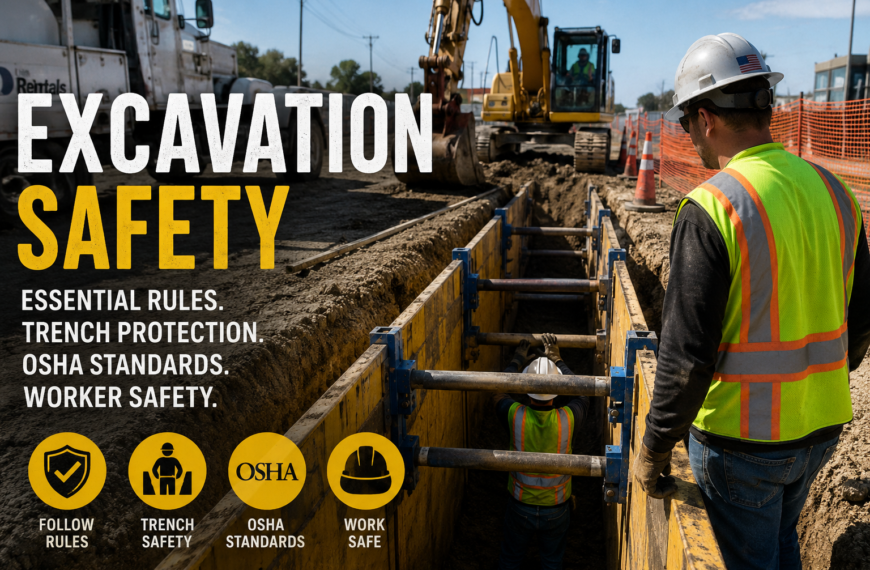
- Construction activities: Land disturbance from construction sites, if not properly managed with erosion control measures, contributes significant quantities of sediment to nearby water bodies.
- Agricultural practices: Tillage practices that leave soil bare and exposed, along with poor land management, contribute to sediment runoff, especially during heavy rainfall events.
- Mining activities: Mining operations, particularly surface mining, disturb large areas of land and generate significant sediment loads that can enter waterways.
Consequences of Excessive Sedimentation
Excessive sedimentation has numerous negative consequences for aquatic ecosystems and human infrastructure:
- Reduced water quality: Sediment increases the turbidity of water, reducing light penetration necessary for aquatic plant photosynthesis and disrupting aquatic food webs.
- Habitat degradation: Sediment can smother the gravel beds used by fish for spawning and can clog the gills of fish and other aquatic organisms.
- Reservoir and channel capacity loss: Sediment accumulation in reservoirs behind dams reduces their water storage capacity over time, diminishing their effectiveness for water supply, irrigation, and hydroelectric power generation. Similarly, sediment build-up in river channels and drainage systems reduces their capacity to carry water, exacerbating flood and water logging risks.
- Increased treatment costs: Water treatment facilities must expend additional resources to remove excess sediment from raw water before it can be treated for drinking or other uses.
- Nutrient and pollutant transport: Sediment particles often carry adsorbed pollutants, including nutrients, pesticides, and heavy metals, transporting these contaminants into water bodies along with the sediment itself.
Managing Sedimentation
Controlling excessive sedimentation requires addressing its root causes through land management practices:
- Erosion control at construction sites: Implementing silt fences, sediment basins, and other temporary erosion control measures during construction activities.
- Sustainable agricultural practices: Promoting practices such as contour farming, terracing, cover cropping, and reduced tillage that keep soil in place and reduce runoff.
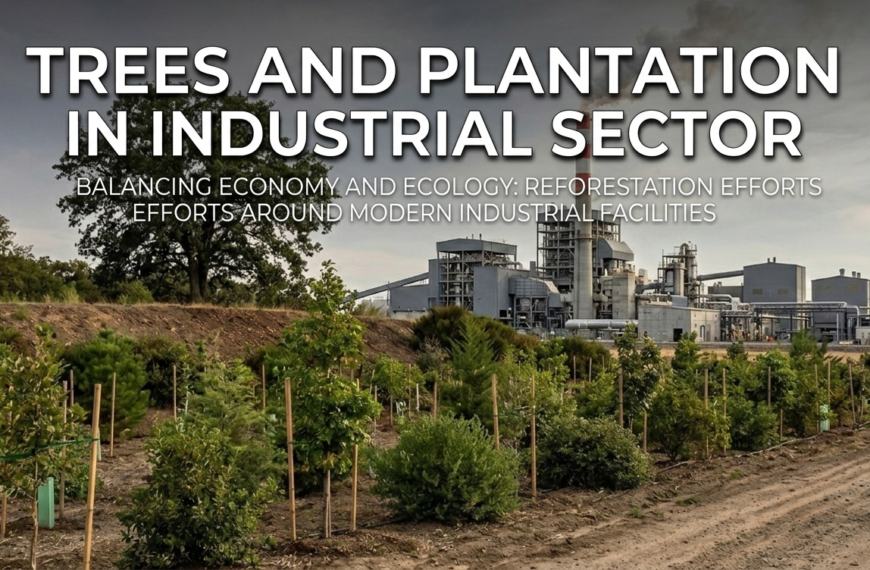
- Reforestation and vegetation management: Restoring vegetative cover on degraded lands and maintaining riparian buffer zones — strips of vegetation along waterways — which help filter sediment before it reaches water bodies.
- Regulation of mining and land development activities: Requiring environmental impact assessments and enforcing land rehabilitation requirements for mining and large-scale construction projects.
- Dredging and reservoir management: Periodic dredging of reservoirs and waterways to remove accumulated sediment, though this must be managed carefully to avoid disturbing contaminated sediments and releasing pollutants back into the water column.
The Interconnected Nature of Environmental Challenges
While each of the issues discussed above — air pollution, solid waste management, hazardous and non-hazardous waste, water and wastewater treatment, water logging, sanitation, and sedimentation — can be examined individually, it is essential to recognize their deep interconnection. Poor solid waste management, for example, directly contributes to water logging when waste accumulates in drainage channels. Inadequate sanitation infrastructure results in untreated wastewater entering rivers, which then requires more intensive water treatment for downstream users. Deforestation, often linked to unsustainable land use practices, accelerates both soil erosion (leading to sedimentation) and reduces the land’s capacity to absorb rainfall (contributing to water logging). Hazardous waste that is improperly disposed of can contaminate both air, through open burning, and water, through leaching into groundwater.
This interconnectedness underscores the importance of integrated environmental management approaches that consider the environment as a holistic system rather than a set of isolated problems. Urban planners, policymakers, and engineers increasingly recognize that solutions must be designed with these interdependencies in mind — for instance, integrated stormwater and solid waste management systems, combined water supply and sanitation programs, and holistic watershed management approaches that address sedimentation, water quality, and flood risk together.
Conclusion
The environmental challenges of air pollution, solid waste management, hazardous and non-hazardous waste, water and wastewater treatment, water logging, sanitation, and sedimentation represent some of the most significant obstacles to sustainable development in the twenty-first century. These are not merely technical or infrastructural problems but issues deeply intertwined with public health, economic development, social equity, and quality of life. As urbanization and industrialization continue to accelerate, particularly in developing regions, the pressure on environmental systems will only intensify unless proactive, well-resourced, and integrated management strategies are implemented.
Addressing these challenges requires a combination of strong regulatory frameworks, sustained infrastructure investment, technological innovation, and meaningful public participation and awareness. Governments must prioritize environmental management as a core component of development planning rather than an afterthought. Industries must be held accountable for the waste and emissions they generate, while also being supported and incentivized to adopt cleaner technologies and practices. Communities must be engaged and educated, as behavior change at the household and individual level — from waste segregation to water conservation to hygiene practices — plays a crucial role in the success of any environmental management system.
Ultimately, the goal of environmental management is not simply to mitigate harm but to create systems that work in harmony with natural processes, ensuring that air, water, and soil resources remain healthy and productive for current and future generations. This requires a shift in thinking — from viewing environmental protection as a cost or constraint on development, to recognizing it as a fundamental prerequisite for sustainable, resilient, and equitable growth. Only through such an integrated and forward-looking approach can societies hope to address the complex, interconnected environmental challenges that define our current era, and build a future in which human development and environmental sustainability go hand in hand.
Some standards Links for getting more informations
- World Bank Environmental, Health, and Safety (EHS) Guidelines
- International Finance Corporation (IFC) Performance Standards
- United States Environmental Protection Agency (EPA)
- European Environment Agency (EEA)
- United Nations Environment Programme (UNEP)
- Food and Agriculture Organization (FAO)
- United Nations Water (UN-Water)
- International Organization for Standardization (ISO)
- World Health Organization (WHO) Water Quality Guidelines
- Convention on Biological Diversity (CBD)
- US EPA Stormwater Resources
- USDA Natural Resources Conservation Service (NRCS)


 By
By