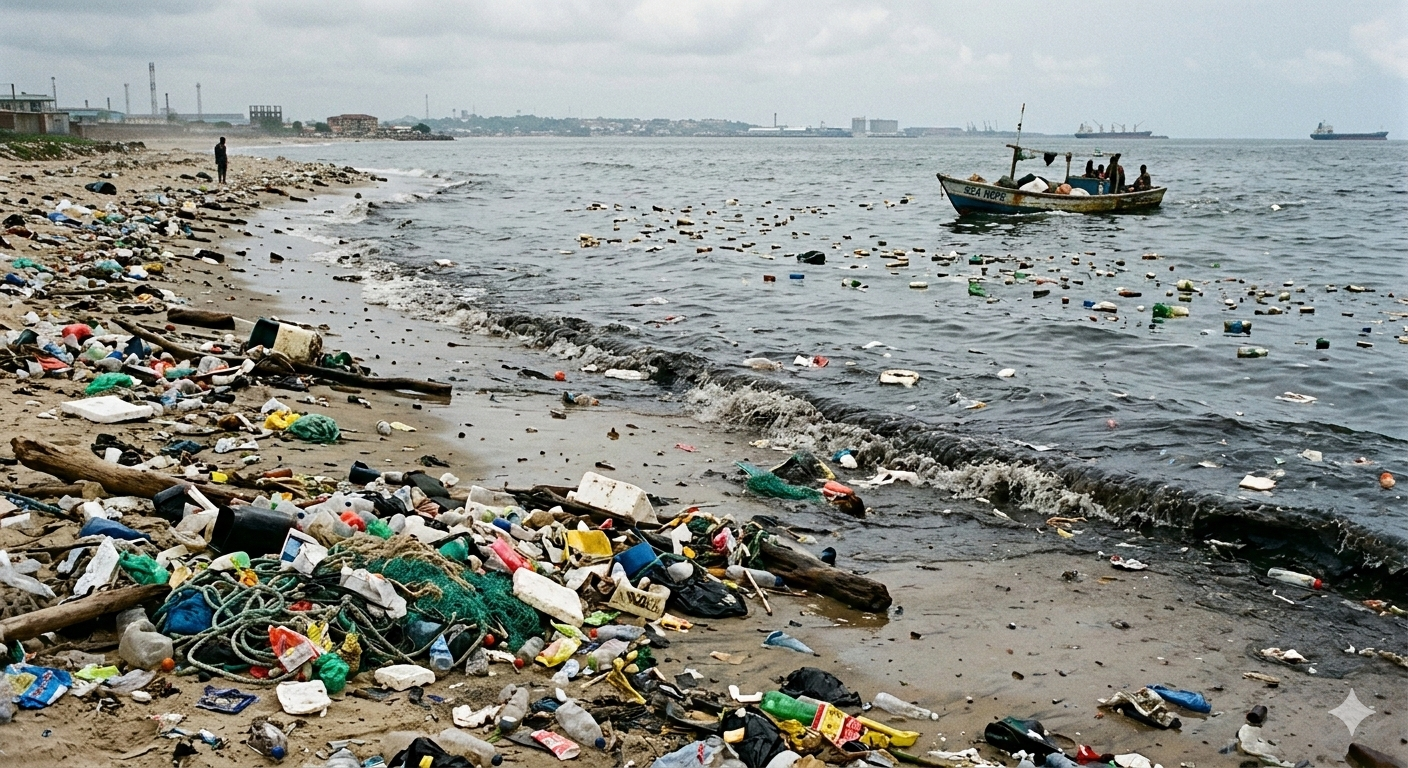
The ocean covers over 70% of our planet, produces at least 50% of our oxygen, and is home to 80% of all life. It is our planet’s largest life-support system. Yet, this vital system is under siege. Marine pollution is no longer just an environmentalist’s concern; it is a multifaceted crisis that directly impacts global Health, Safety, and Environmental (HSE) standards, human well-being, and economic stability.
For HSE professionals, the challenge is clear: marine pollution is not an isolated problem “out at sea.” It is a complex risk that flows back into our workplaces, our communities, and our regulatory frameworks. This blog explores marine pollution from an HSE point of view, examining its sources, its direct impact on human and environmental health, and the critical role of robust HSE management in mitigating the crisis.
What is Marine Pollution?
The United Nations defines marine pollution as “the introduction by man, directly or indirectly, of substances or energy into the marine environment… which results or is likely to result in such deleterious effects as harm to living resources, hazards to human health, hindrance to marine activities… impairment of quality for use of sea water and reduction of amenities.”
From an HSE perspective, this definition highlights three key areas of liability:
- Harm to living resources (Environmental).
- Hazards to human health (Health).
- Hindrance to activities (Safety/Economics).
The Major Sources: Where Does It Come From?
While dramatic oil spills capture headlines, the vast majority of marine pollution is land-based (approximately 80%). Understanding the source is the first step in HSE risk management.
1. Land-Based Runoff (Non-Point Source)
This is the most significant and hardest-to-control source.
- Agricultural Runoff: Pesticides, herbicides, and animal waste wash into rivers and eventually the sea, creating massive “dead zones” (hypoxia) where oxygen levels are too low to support life.
- Urban Runoff: Oil, grease, and heavy metals from city streets flow into drains and out to sea.
- Plastic Waste: Single-use plastics, microplastics from synthetic textiles, and abandoned fishing gear (“ghost nets”) make up a staggering amount of marine debris.
2. Atmospheric Pollution
Emissions from vehicles, factories, and power plants don’t just stay in the air. They settle into the ocean. For example, mercury emitted from coal plants travels through the atmosphere and deposits into the sea, where it enters the food chain.
3. Maritime Transport and Offshore Operations (The HSE Domain)
This is the area where HSE protocols are most directly applied.
- Operational Discharges: Despite regulations like MARPOL, operational discharges from ships (bilge water, ballast water, and tank washing) remain a concern.
- Accidental Spills: Oil and chemical spills from tankers, pipelines, and offshore rigs cause acute, localized devastation.
- Underwater Noise: Commercial shipping and seismic surveys generate noise pollution that disrupts marine mammal communication and navigation.
The HSE Perspective: Why Should We Care?
For HSE managers and business leaders, the impact of marine pollution translates directly into operational risk and corporate responsibility.
1. Health Impacts (The “H” in HSE)
Marine pollution is a direct threat to human health.
- Seafood Contamination: Toxins like mercury, PCBs, and microplastics accumulate in the tissues of fish and shellfish (bioaccumulation). When consumed, these toxins can cause neurological damage, developmental issues in children, and cancer.
- Pathogen Exposure: Sewage and agricultural runoff introduce bacteria and viruses like Vibrio and E. coli into coastal waters. This leads to beach closures and poses a direct health risk to swimmers and coastal communities.
- Respiratory Issues: The decomposition of algal blooms (fueled by nutrient pollution) releases toxic aerosols that can cause respiratory illness in people living near coastlines.
2. Safety Risks (The “S” in HSE)
Marine pollution creates tangible safety hazards for workers.
- Navigational Hazards: Derelict fishing gear and large debris fields can foul ship propellers and clog cooling water intakes, leading to mechanical failure and potentially stranding vessels.
- Chemical Exposure: Crews responding to spills or cleaning up contaminated shorelines face acute risks of chemical burns, inhalation of toxic fumes, and explosion hazards.
- Slipping/Trip Hazards: Oil-coated decks and port facilities create severe slip hazards for maritime and dock workers.
3. Environmental and Regulatory Risks (The “E” in HSE)
The environmental impact is the most visible, but the regulatory consequences are the sharpest for businesses.
- Ecosystem Collapse: A healthy ocean is a buffer against climate change. Pollution weakens this buffer. Oil smothers coral reefs, plastic is ingested by seabirds, and nutrient runoff chokes estuaries.
- The Compliance Landscape: International conventions like MARPOL 73/78 (Annexes I-VI) are the backbone of maritime environmental law. Non-compliance is not just unethical; it is illegal.
- Annex I (Oil): Strict regulations on discharge and record-keeping (Oil Record Book).
- Annex V (Garbage): Complete ban on disposal of plastics at sea, with strict limits on other garbage.
- Annex VI (Air Pollution): Regulates emissions, including sulfur oxides and nitrogen oxides, which contribute to ocean acidification.
- Reputational and Financial Risk: A single incident, such as an illegal tank cleaning or a plastic spill, can result in millions in fines, cleanup costs, and irreparable brand damage. Consumers and investors are increasingly demanding “Blue Finance” and sustainable ocean stewardship.
The HSE Professional’s Role: Mitigation and Management
Combating marine pollution requires a proactive, systems-based approach. Here is how HSE professionals can lead the charge:
1. Go Beyond Compliance (MARPOL)
Don’t just aim to meet the minimum standards of MARPOL. Strive for zero-discharge operations where possible. Implement rigorous:
- Waste Management Plans: Ensure all shipboard and offshore waste is segregated, stored, and disposed of at approved port reception facilities. Know exactly where your garbage goes.
- Ballast Water Management: Implement treatment plans to prevent the spread of invasive aquatic species, as mandated by the Ballast Water Management Convention.
2. Strengthen Spill Prevention and Response
- Prevention: Conduct regular integrity checks on pipelines, tanks, and transfer hoses. Invest in double-hulled vessels and advanced overflow prevention systems.
- Response: Maintain and regularly drill with Spill Response Plans. Ensure crews are trained in first-response tactics and understand the unique hazards of the chemicals or oils being transported.
3. Reduce the Footprint (Sustainability)
- Eliminate Single-Use Plastics: Ban single-use plastics from vessels, rigs, and offices. Provide crew with reusable water bottles and sustainable packaging.
- Green Procurement: Source environmentally friendly lubricants and cleaning agents. Partner with suppliers who have strong environmental credentials.
4. Training and Culture
The best equipment fails without a strong safety culture.
- Train crew on the why behind the rules. Help them understand that cleaning the bilge illegally doesn’t just break a rule—it harms a fisherman’s livelihood and contaminates their own food source.
- Encourage a culture of reporting. Crew members must feel empowered to report near-misses or illegal discharges without fear of reprisal.
Conclusion
Marine pollution is a global crisis, but its solutions often lie in local, disciplined action. For HSE professionals, the ocean represents the ultimate “environmental receptor.” It is the final destination for our operational negligence or the beneficiary of our operational excellence.
By integrating marine protection into the core of our HSE policies—viewing it not as a separate “green” initiative but as a fundamental component of worker safety, public health, and legal compliance—we can help turn the tide.
The health of the ocean is, after all, our own health. And in the world of HSE, there is no greater KPI than that.
