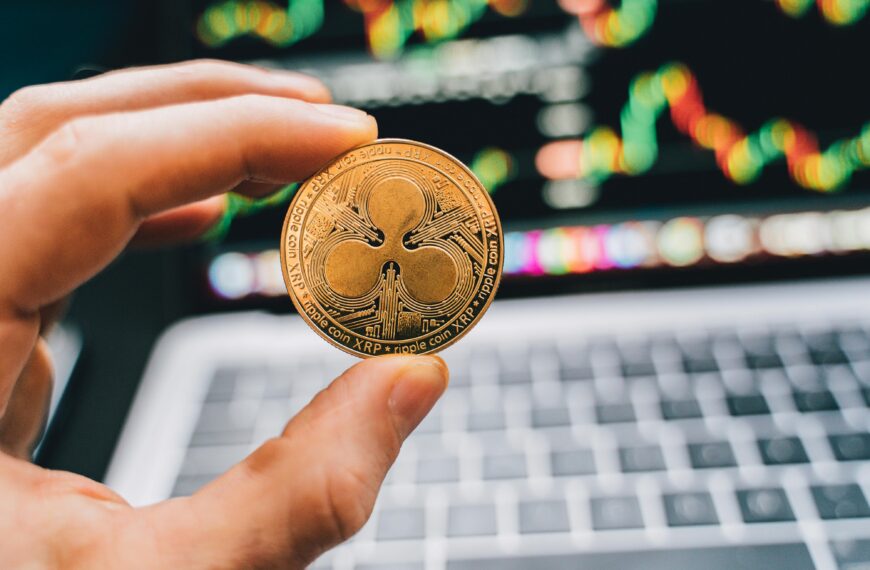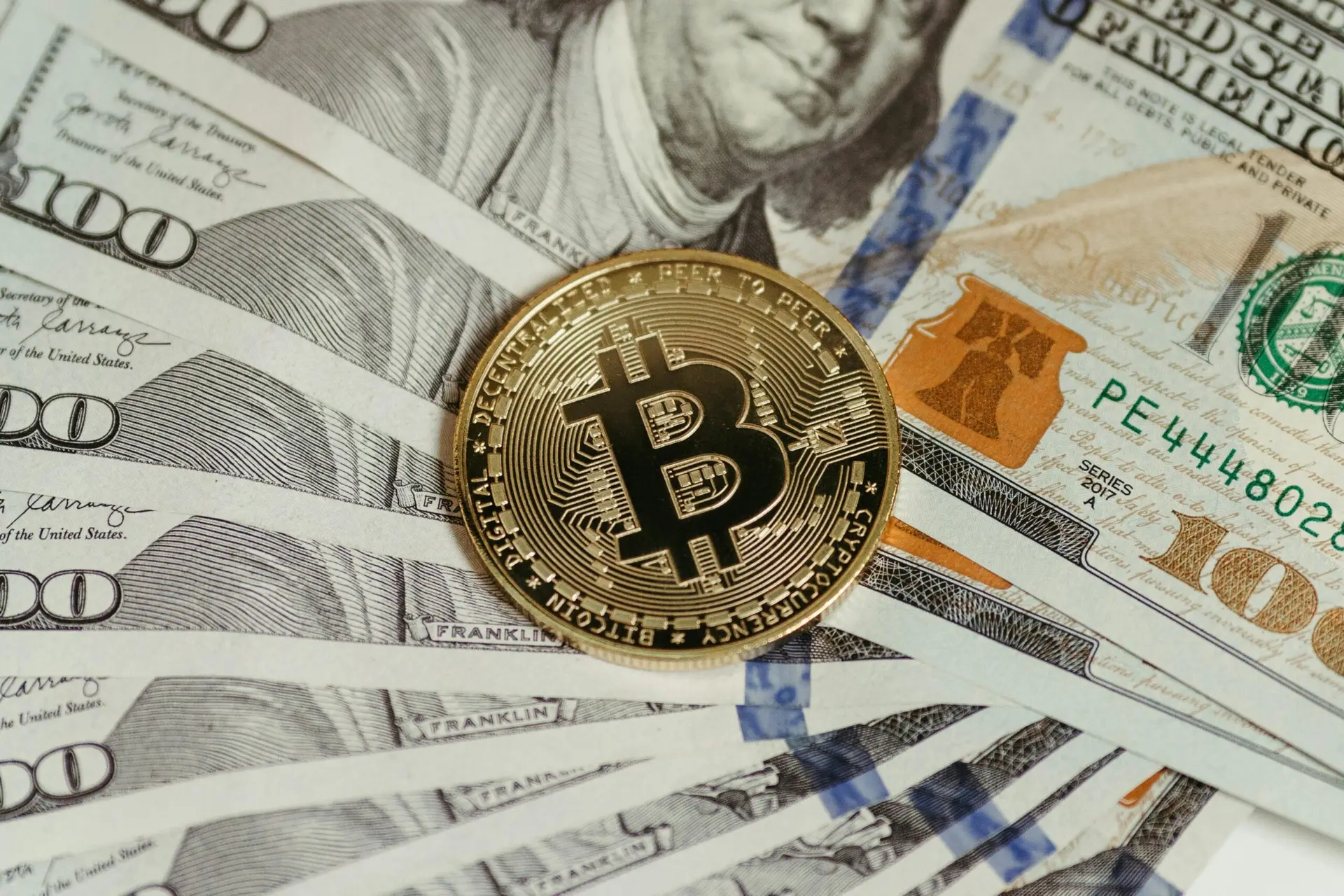

Introduction: Understanding the Crypto Puzzle
The blockchain world can feel like a maze — filled with terms like coins, tokens, NFTs, stablecoins, and utility tokens.
They all sound similar but play very different roles in the crypto ecosystem.
If you’ve ever wondered what truly separates a coin from a token, or how NFTs fit into the picture, this guide will make it clear — once and for all.
💰 1. Coins — The Foundation of Blockchain

Coins are the native currencies of their own blockchains.
They are the “main fuel” that powers a blockchain network and are used for transactions, fees, and store of value.
Examples:
- Bitcoin (BTC) – native coin of the Bitcoin blockchain
- Ethereum (ETH) – native coin of the Ethereum network
- Solana (SOL), Cardano (ADA), Binance Coin (BNB)
Key Traits:
- Built on their own blockchain
- Used to pay transaction or “gas” fees
- Often mined or staked for validation
- Function as digital money
💡 Think of coins as “national currencies” within their own blockchain countries.
🧩 2. Tokens — Built on Existing Blockchains

Unlike coins, tokens don’t have their own blockchain.
They are created on top of existing blockchains (like Ethereum or Solana) and can serve different purposes — from governance to payments and rewards.
Examples:
- USDT (Tether) – a stablecoin on Ethereum and other chains
- UNI (Uniswap) – governance token for the Uniswap exchange
- LINK (Chainlink) – used for decentralized oracle networks
Key Traits:
- Depend on another blockchain (e.g., Ethereum ERC-20 tokens)
- Easier to create and deploy
- Used in DeFi, gaming, and DAOs
- Serve specific functions like governance, access, or payments
💡 If blockchains are countries, tokens are companies operating inside them.
🎨 3. NFTs (Non-Fungible Tokens) — Digital Ownership Made Unique

NFTs represent unique, non-replaceable digital assets.
Unlike coins and tokens (which are interchangeable), NFTs are one-of-a-kind and hold individual value.
Examples:
- Digital art pieces (Bored Ape Yacht Club, CryptoPunks)
- In-game items (Axie Infinity, Sandbox assets)
- Digital real estate (Decentraland)
- Certificates, tickets, and identity proofs
Key Traits:
- Each NFT has a unique ID and metadata
- Cannot be exchanged 1:1 like coins
- Stored on blockchains (often ERC-721 or ERC-1155 standards)
- Prove ownership, authenticity, and rarity
💡 If coins are cash, NFTs are collectibles — each with its own story and value.
4. Stablecoins — The Bridge Between Crypto and Fiat

Stable coins are digital currencies pegged to stable assets like the US Dollar or Gold.
They combine the benefits of crypto (fast, borderless transactions) with traditional stability.
Examples:
- USDT (Tether)
- USDC (USD Coin)
- DAI (Decentralized Stablecoin)
Key Traits:
- Pegged 1:1 to a fiat currency
- Used for trading, payments, and DeFi transactions
- Reduce volatility in crypto markets
💡 Stablecoins are like the “digital dollars” of the blockchain world.
⚙️ 5. Utility Tokens vs Security Tokens

Utility Tokens:
- Provide access to a product, service, or platform feature.
- Example: BNB (used for transaction fees and discounts on Binance).
Security Tokens:
- Represent ownership or shares in an asset or company.
- Example: Tokens used in tokenized stock or real estate platforms.
💡 Utility = access; Security = ownership.
🌐 6. Other Blockchain Assets You Should Know
| Type | Description | Examples |
|---|---|---|
| Governance Tokens | Allow users to vote on project decisions | UNI, AAVE |
| Gaming Tokens | Used within play-to-earn ecosystems | AXS, SAND |
| Metaverse Assets | Represent virtual land or identity | MANA, ENJ |
| Wrapped Tokens | Represent one coin on another blockchain | WBTC (Wrapped Bitcoin) |
| DAO Tokens | Power decentralized autonomous organizations | MKR, COMP |
🧭 Conclusion: Know What You’re Holding
Understanding the difference between coins, tokens, and NFTs isn’t just about definitions — it’s about recognizing how each fits into the blockchain economy.
- Coins build the foundation.
- Tokens create the ecosystem.
- NFTs personalize ownership and creativity.
Whether you’re investing, collecting, or building — knowing these distinctions helps you make smarter and safer choices in the crypto space.

 By
By