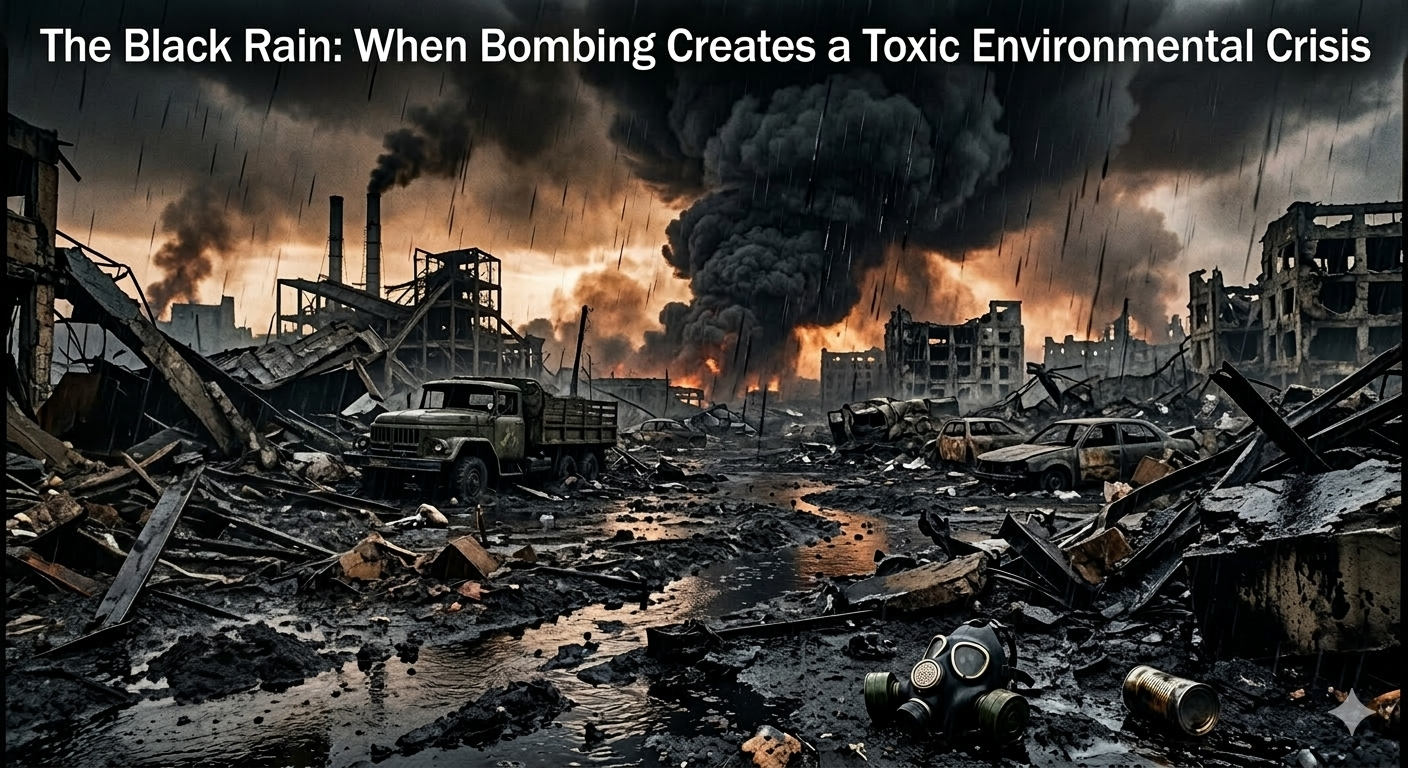

The Black Rain: In the early hours of a recent morning, residents of Tehran woke to an apocalyptic sight. The sky was pitch black, not because the sun hadn’t risen, but because thick, toxic smoke from burning oil depots had blotted it out . As if the darkness wasn’t unsettling enough, a strange rain began to fall—a black, oily precipitation that left a film of fuel on balconies and cars . This was not a normal weather event; it was a direct consequence of modern warfare, a phenomenon experts warn is becoming a terrifying hallmark of regional conflict: weaponized environmental imbalance .
This blog post explores the science behind how recent bombings, specifically on industrial and fuel infrastructure, are creating hazardous fumes that mix with clouds to produce a modern-day acid rain, posing severe risks to human health and the environment for years to come.
The Perfect Toxic Storm
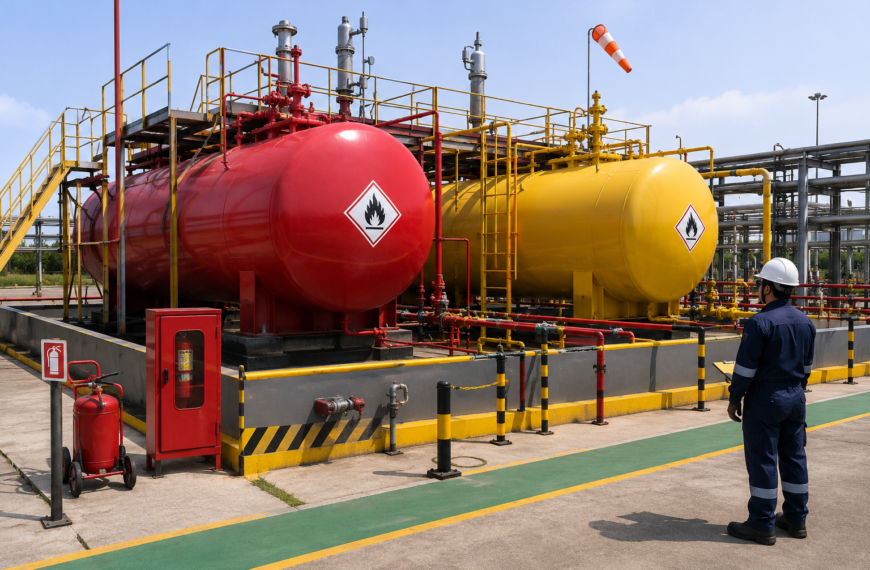
To understand what happened over Tehran, we have to look at the chemistry of the target. When Israeli airstrikes hit fuel storage facilities, they didn’t just ignite a fire; they created a massive, uncontrolled chemical reaction .
Crude oil and refined petroleum are complex mixtures. When they burn, they don’t just disappear. They release a “cocktail” of hazardous materials into the atmosphere. According to experts, these include:
- Soot and Particulate Matter (PM2.5): Ultrafine particles that can be inhaled deep into the lungs.
- Sulfur Dioxide (SO2) and Nitrogen Oxides (NOx): The primary ingredients for classic acid rain.
- Volatile Organic Compounds (VOCs) and Hydrocarbons: Many of which are toxic.
- Heavy Metals: Present in the crude oil and released during combustion .
As Dr. Akshay Deoras, a research scientist at the University of Reading, explained, these ingredients alone are dangerous. But the disaster escalated when they met a low-pressure weather system moving across the region .
The Science of “Flash” Acid Rain
This is where the environmental imbalance becomes acute. In the atmosphere, the sulfur dioxide and nitrogen oxides from the burning oil began to react with water vapor, oxygen, and other chemicals. The sulfur dioxide transformed into sulfuric acid, and the nitrogen oxides turned into nitric acid .
These acids then dissolved into the water droplets forming in the clouds above the burning city. When it finally rained, the water was no longer the life-giving resource we expect; it was a dilute solution of acid, mixed with all the soot and hydrocarbons from the smoke, creating the “black rain” that terrified residents .
This is different from the industrial acid rain of the 20th century, which was a slow, chronic buildup from power plants and factories. War-induced acid rain is a “flash” environmental disaster . It is an acute, high-intensity event localized directly over a population center. The rainfall can be significantly more acidic and is often laced with heavy metals and carcinogenic compounds that aren’t typically found in standard industrial pollution .
More Than Just Acid: A Poisonous Cocktail
While the term “acid rain” is scientifically accurate, experts argue it might understate the danger. The black rain falling on Tehran carried more than just acids.
“This rain would include acids but also likely a host of other pollutants that are harmful to humans and the environment,” an atmospheric chemist told 7NEWS . This includes polycyclic aromatic hydrocarbons (PAHs) , which are known to interact with DNA and are linked to cancers .
Professor Andrea Sella, a chemist at University College London, painted a grim picture: “The explosions will have exposed the local population to all manner of undesirable and toxic chemical species… There will be a real cocktail of chemistry including significant amounts of aromatic compounds that are known to interact with DNA and have been linked to cancers.”
Immediate and Long-Term Health Catastrophes
The impact on human health is two-fold.
Immediate effects were reported by Tehranis who experienced difficulty breathing, headaches, burning sensations in their eyes and throats, and skin irritation . Health officials urged residents, especially the vulnerable—children, the elderly, and those with respiratory conditions—to stay indoors .
The long-term consequences are potentially even more alarming. The toxic particles deposited by the rain and smoke don’t just disappear. They settle into the soil and can contaminate water supplies . The carcinogenic compounds released into the air increase the long-term cancer risk for the exposed population. Furthermore, as Professor Sella notes, the destruction of containment tanks means “the material will flow everywhere leaving a mess of harmful material that permeates the soil and coats everything else,” potentially poisoning drinking water for years to come .
A Historical Precedent Ignored
This isn’t the first time war has created such an environmental catastrophe. During the 1991 Gulf War, retreating Iraqi forces ignited over 600 oil wells in Kuwait. Those fires released an estimated 24,000 tons of sulfur dioxide daily, resulting in acid rain and soot clouds that extended nearly 2,000 kilometers, affecting neighboring countries .
Similarly, reports from the ongoing conflict in Ukraine have documented how missile strikes on industrial infrastructure, like nitric acid tanks, have created chemical clouds capable of producing localized acid rain . Even the rocket fuel used in missiles themselves—such as the inhibited red fuming nitric acid (IRFNA) in Scud missiles—can release toxic, acidic clouds upon impact or interception, a phenomenon documented during the Gulf War .
The Health Catastrophe – Symptoms, Causes, and How to Treat Exposure
In the immediate aftermath of the airstrikes on Tehran’s oil infrastructure, the sky turned an apocalyptic black. But the true scale of the disaster became horrifyingly clear when the “black rain” began to fall. Residents soon reported more than just environmental shock; they experienced a cascade of physical ailments that experts warn could plague the region for decades .
This is not merely “acid rain” as we understood it in the industrial age. It is a toxic cocktail of petrochemicals, heavy metals, and ultrafine particulates that attacks the human body on multiple fronts—causing what can only be described as a mass allergic and toxicological crisis .
The “Allergic” Response: Why Skin and Lungs Are Under Siege
When reports emerged of residents suffering from burning eyes, skin rashes, and respiratory distress, it wasn’t just a simple allergy to pollution. It was the body’s violent reaction to a complex mixture of chemicals.
Unlike typical rain, which has a pH of around 5.6, the black rain falling on Tehran has measured as low as 4.0—roughly the same acidity as tomato juice . However, the acidity is only part of the problem. The rain acts as a delivery mechanism for a host of hazardous substances:
- Hydrocarbons and Soot: These coat the skin and are inhaled, causing direct irritation.
- Sulfur Dioxide and Nitrogen Oxides: These gases, even before they turn into acid, are potent irritants that inflame the moist tissues of the eyes, nose, and throat .
- Polycyclic Aromatic Hydrocarbons (PAHs): These carcinogenic compounds are known to interact with human DNA .
- Heavy Metals: Vaporized from construction materials and industrial sites, these are now suspended in the air and water .
As one atmospheric chemist noted, “All smoke is toxic; if you can smell it, it can be at levels that are harming you” . For the residents of Tehran, the strong burning smell hanging over the city was the first sign of an invisible assault on their immune systems.
Symptoms: The Immediate Physical Toll
The health effects are being categorized into acute (immediate) and chronic (long-term) impacts.
Acute Symptoms (Immediate Exposure)
Residents and experts have reported the following short-term effects :
- Respiratory Distress: Difficulty breathing, wheezing, and coughing. This is particularly severe for those with pre-existing conditions like asthma or bronchitis.
- Irritation: Burning sensations in the eyes and throat, leading to conjunctivitis-like symptoms.
- Dermatological Issues: Skin irritation, dryness, redness, and a burning rash upon contact with the rain. The acidic and oily residue disrupts the skin’s natural pH balance, stripping away protective oils .
- Neurological Symptoms: Headaches and dizziness reported across the city.
- Cardiovascular Strain: The fine particles can cause palpitations and stress on the heart, especially in the elderly .
Long-Term Chronic Risks
Experts are deeply concerned about the legacy of this event. Dr. Shahram Kordasti, a cancer specialist, warned that the fine dust particles (PM2.5) and toxic gases will have lasting effects :
- Cancer: Inhalation of PM2.5 allows toxins to enter the bloodstream directly. The PAHs and benzene from the burning oil are linked to leukemia and other cancers.
- Cardiovascular Disease: Long-term exposure to these pollutants hardens arteries and increases the risk of heart attacks.
- Neurological Damage: Studies have linked high exposure to particulate matter with cognitive impairment and other neurological conditions.
- Pregnancy Risks: Exposure to this level of toxic air pollution during pregnancy is linked to lower birth weights and developmental issues in infants .
Treating the Exposure: A Guide for Affected Populations
In the chaos of conflict, medical advice becomes a lifeline. Iranian authorities and international experts have outlined several steps for those in affected areas to mitigate the damage .
1. Immediate Protective Measures
- Stay Indoors: This is the first line of defense. Keep doors and windows tightly shut.
- Turn Off HVAC Systems: Authorities have banned the use of air conditioning systems to prevent toxic particles and acidic droplets from being drawn indoors from outside .
- Halt Outdoor Activities: Avoid any unnecessary exposure, especially morning walks or exercise.
2. Decontamination Protocols (If Exposed)
If contact with the rain or smoke is unavoidable, rapid decontamination is crucial:
- Skin Contact: Wash immediately with mild soap and plenty of water to remove the oily, acidic residue and reduce the risk of burns or rashes .
- Eye Exposure: Flush eyes with clean water or sterile saline solution to remove soot and acidic particles.
- Nasal and Throat Cleansing: The Red Crescent has advised people to use saline solution to clean the nose and throat to remove black soot and toxic particles trapped in the mucous membranes .
- Clothing: Remove and wash any clothing that may have been exposed to the rain separately.
3. Environmental Cleaning
- Surface Cleaning: It is necessary to clean floors and hard surfaces regularly, especially in covered areas (like balconies and hallways), to reduce exposure to lingering pollution that settles as dust .
- Water Caution: Assume any collected rainwater is toxic. Do not use it for drinking, cooking, or bathing.
4. Medical Interventions
While specific treatments depend on the severity of symptoms, general medical responses include:
- Respiratory Aids: Inhalers for asthmatics are critical. Anyone experiencing severe shortness of breath should seek emergency care.
- Antihistamines: For skin rashes and allergic-type reactions, antihistamines (like cetirizine or loratadine) may help manage the histamine response caused by contact irritants .
- Barrier Creams: For those who must go outside, applying barrier creams to the skin may offer a layer of protection against direct contact with acidic particles .
- Long-Term Monitoring: Health officials are urging residents, particularly those in vulnerable groups (children, the elderly, and those with pre-existing conditions), to monitor for chronic symptoms and seek regular health check-ups in the coming years to catch potential cancer or cardiovascular issues early .
A Legacy of Poison
The “black rain” over Tehran is a stark reminder that in modern warfare, the environment is weaponized, turning the very air and water into health hazards. While the bombs may stop, the toxic fumes that mixed with clouds continue to rain down danger on generations to come. The international community, as noted by Doug Weir of the Conflict and Environment Observatory, faces a “huge task” in piecing together the war’s environmental footprint and its devastating impact on public health .
For now, the advice for those under the black clouds remains simple but urgent: stay inside, keep the air out, and wash away the poison if it touches you.
Dotopinion: Conclusion
As the last echoes of the explosions fade and the world’s attention shifts to the next geopolitical crisis, the city beneath the black clouds is left to face an invisible enemy. The bombs may have targeted military infrastructure, but the fallout has declared war on the civilian population, their water, their soil, and their future.
We have explored the terrifying chemistry of modern warfare: how the burning of fossil fuel depots releases a “toxic cocktail” of sulfur dioxides, nitrogen oxides, and carcinogenic hydrocarbons into the atmosphere . We have seen how these pollutants seize upon the natural water cycle, turning life-giving rain into a corrosive agent—a “flash” acid rain that carries soot, heavy metals, and chemicals designed to interact with human DNA .
And we have detailed the human cost. What begins as a simple “allergy”—itching skin, burning eyes, a rasping cough—can, over time, metastasize into cancer, heart disease, and generational health defects . The immediate advice to “stay indoors and wash with soap” is a band-aid on a wound that will fester in the soil and groundwater for decades .
The black rain over Tehran is not an isolated incident; it is a horrific precedent. As Doug Weir, director of the Conflict and Environment Observatory, warns, tracking these environmental harms is becoming increasingly difficult, and the true footprint of the war’s impact will be a monumental task to unravel .
Ultimately, this is the legacy of targeting industrial infrastructure in populated areas. It is a strategy that weaponizes the environment itself. It ensures that long after the soldiers have gone home, the earth continues to burn, the clouds continue to poison, and the rain continues to carry a message of suffering to generations who had nothing to do with the conflict.
The bombs fall in an instant. The toxic rain lasts a lifetime.


 By
By